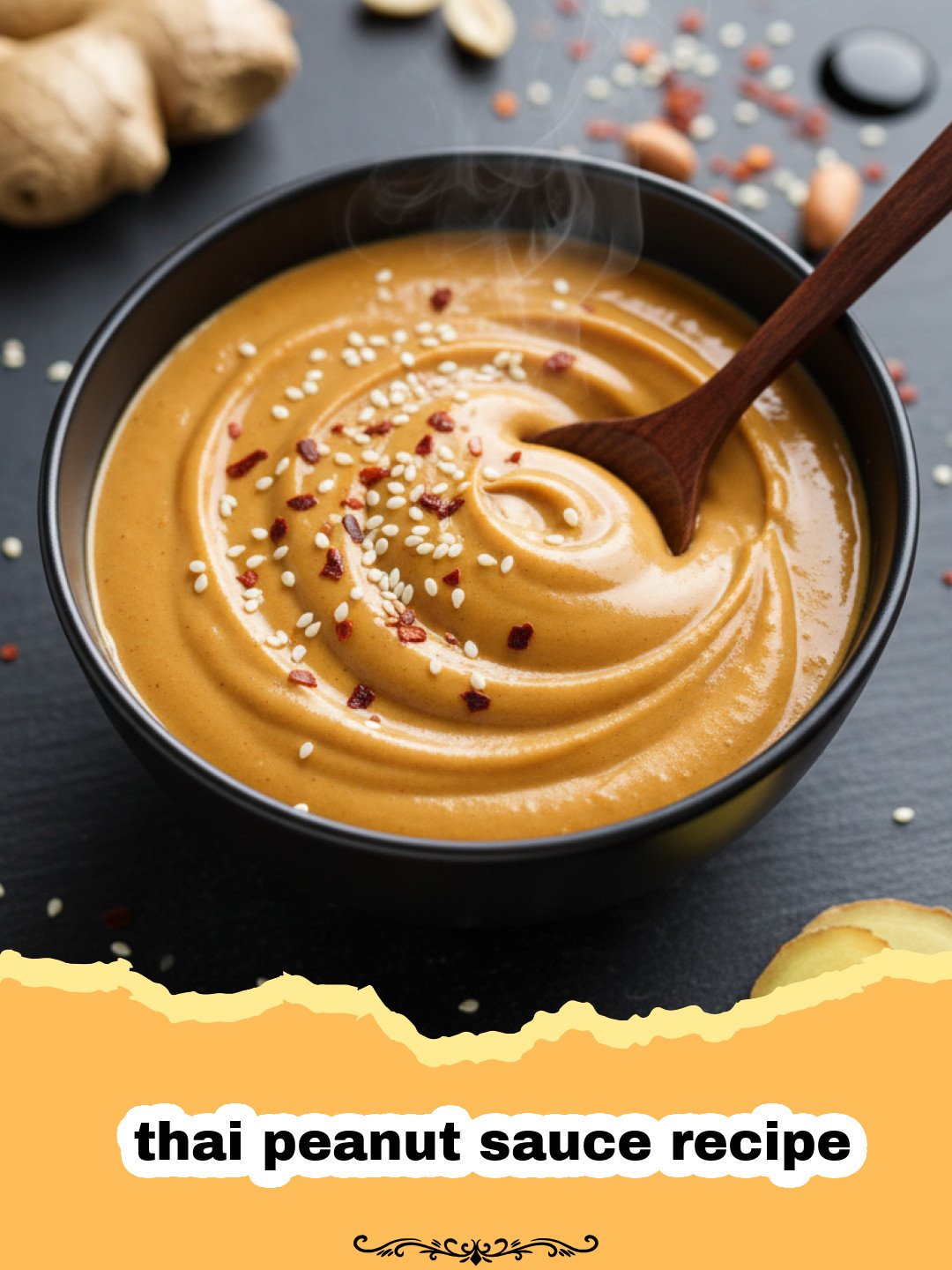
Finding the perfect thai peanut sauce recipe was a journey that began in a tiny, steam-filled kitchen in Chiang Mai years ago. I remember the scent of roasted nuts and fresh galangal wafting through the air as an elderly woman showed me that the secret wasn’t just in the ingredients, but in the balance of the four pillars of Thai cooking: salty, sweet, sour, and spicy. Since that day, I have spent countless hours refining my own version to ensure that this thai peanut sauce recipe is accessible for home cooks without losing that authentic soul. Whether you are dipping fresh spring rolls or drizzling it over a bowl of warm noodles, this sauce is the literal definition of ‘liquid gold.’ It is the kind of recipe that makes you want to lick the spoon clean before it even hits the table.
Why This Recipe is a Must-Try
- Unmatched Versatility: This thai peanut sauce recipe isn’t just for satay; it works beautifully as a salad dressing, a marinade for grilled tofu, or even a dip for raw vegetables.
- Ready in 5 Minutes: There is no cooking required for this version, making it the perfect last-minute addition to any meal when you need a flavor boost.
- Wholesome Ingredients: Unlike store-bought versions filled with preservatives and excess refined sugar, this thai peanut sauce recipe uses real, pantry-stable ingredients you can feel good about.
- Customizable Heat: You control the spice level, making it family-friendly or fiery enough to satisfy the biggest chili lovers.
If you enjoy creating your own condiments from scratch, you might also want to check out our The Ultimate Homemade Burger Sauce Recipe for your next backyard cookout. While the flavor profiles are worlds apart, the satisfaction of a homemade sauce is exactly the same.
Key Ingredient Notes
The Peanut Base
For this thai peanut sauce recipe, the quality of your peanut butter matters immensely. I recommend using a natural, creamy peanut butter where the only ingredients are peanuts and salt. If you use a standard commercial brand with added oils and sugars, you may need to reduce the amount of sweetener you add later. Natural peanut butter provides a robust, toasted flavor that acts as the backbone of the entire dish. If you are feeling adventurous, you can even use crunchy peanut butter to add some texture to your thai peanut sauce recipe.
The Acid: Lime vs. Vinegar
Balance is everything. Freshly squeezed lime juice provides a bright, citrusy zing that is traditional in many regions of Thailand. However, rice vinegar offers a more mellow, fermented tang. In this thai peanut sauce recipe, I often use a combination of both to achieve a complex acidity that cuts through the richness of the fats. Never use bottled lime juice; the metallic aftertaste can easily ruin the delicate balance of your thai peanut sauce recipe.
The Aromatics
Fresh ginger and garlic are non-negotiable. While powder is convenient, it simply cannot replicate the pungent, sharp bite of fresh aromatics. Grating them finely ensures they integrate into the sauce without leaving large, raw chunks. This is what gives the thai peanut sauce recipe its signature depth and ‘zing’ that keeps you coming back for more.
Step-by-Step Guide with Pro Tips
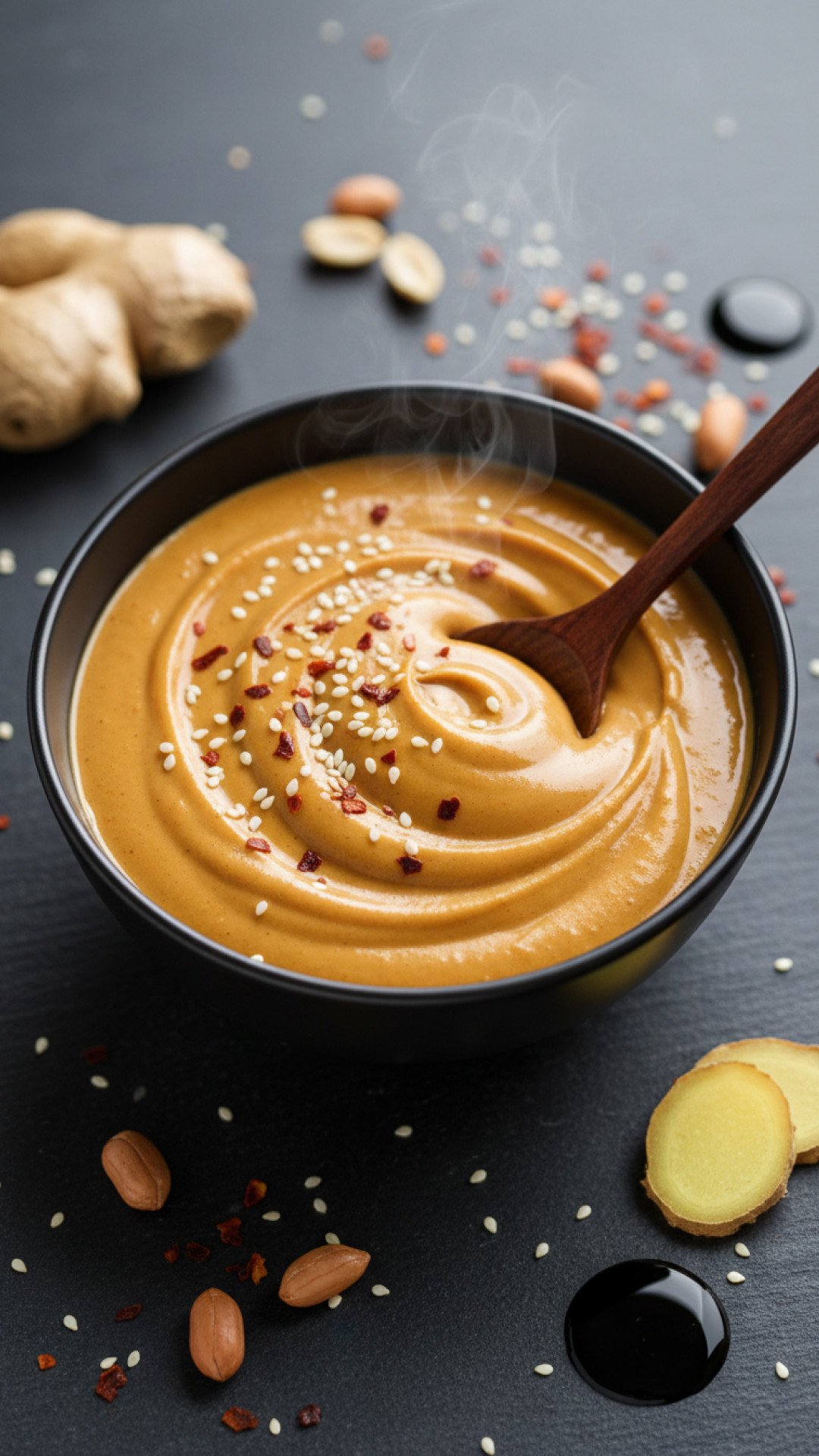
Creating this thai peanut sauce recipe is incredibly straightforward, but the order of operations can help you achieve the smoothest texture. Start by adding your peanut butter to a medium-sized mixing bowl. If your peanut butter is particularly stiff, you can microwave it for 10-15 seconds to soften it up, making it easier to incorporate the liquid ingredients. This is a pro tip often overlooked in many a thai peanut sauce recipe.
Next, whisk in your soy sauce (or tamari for a gluten-free option), sweetener, and aromatics. At first, the mixture might look like it is seizing or breaking—don’t panic! This is a natural reaction between the fats in the peanut butter and the liquids. As you continue to whisk and slowly add warm water, the thai peanut sauce recipe will emulsify into a silky, glossy dream. This process is very similar to the patience required when whisking a The Ultimate Hearty Meat Sauce Recipe to get that perfect consistency.
Always taste as you go. The beauty of a homemade thai peanut sauce recipe is that you can adjust it to your palate. Too salty? Add a bit more honey. Too thick? A splash more water. Too bland? A pinch more salt or a squeeze of lime. Once you have reached your desired consistency, let the sauce sit for at least 10 minutes. This allows the flavors of the garlic and ginger to marry and permeate the fat of the peanuts, resulting in a much more cohesive thai peanut sauce recipe.
Variations & Serving Suggestions
While the classic version is hard to beat, there are several ways to twist this thai peanut sauce recipe. For a coconut-forward version, replace the water with full-fat coconut milk. This adds a velvety richness and a tropical sweetness that pairs perfectly with grilled chicken. If you want a smoky element, add a teaspoon of red curry paste to your thai peanut sauce recipe. This introduces lemongrass and galangal notes that elevate the sauce to restaurant-quality levels.
When it comes to serving, the sky is the limit. Drizzle it over a ‘Rainbow Crunch Salad’ filled with purple cabbage, carrots, and edamame. Use it as a base for a cold noodle salad with cilantro and crushed peanuts. For a quick snack, it is an incredible dip for apple slices or celery. To keep your leftovers fresh and ready for the week, I highly recommend using Basics Glass Food Storage containers. They don’t absorb odors and keep the thai peanut sauce recipe perfectly airtight in the fridge.
Nutrition Information
| Nutrient | Amount per Serving |
|---|---|
| Calories | 145 kcal |
| Total Fat | 11g |
| Saturated Fat | 2g |
| Cholesterol | 0mg |
| Sodium | 280mg |
| Total Carbohydrates | 8g |
| Dietary Fiber | 1.5g |
| Sugars | 5g |
| Protein | 5g |
Conclusion
Mastering this thai peanut sauce recipe is a culinary milestone that will serve you well for years to come. It is simple, fast, and incredibly rewarding. Once you see how easy it is to whip up a batch of this creamy, savory condiment, you will never reach for a jar at the grocery store again. So grab your whisk, find your favorite peanut butter, and get ready to enjoy the best thai peanut sauce recipe you have ever tasted. Happy cooking!
FAQs
Can I make this thai peanut sauce recipe vegan?
Yes! To make this thai peanut sauce recipe vegan, simply use maple syrup or agave nectar instead of honey, and ensure your soy sauce is vegan-friendly.
How long does this thai peanut sauce recipe last in the fridge?
This sauce can be stored in an airtight container in the refrigerator for up to 7 days. It may thicken when cold, so whisk in a little warm water to thin it out before using.
What is the best peanut butter for a thai peanut sauce recipe?
Natural creamy peanut butter (just peanuts and salt) is best because it offers the most authentic roasted flavor and allows you to control the sugar and salt levels yourself.
Is this thai peanut sauce recipe gluten-free?
It can easily be made gluten-free by substituting the soy sauce with tamari or liquid aminos. Always check your sriracha label as well.
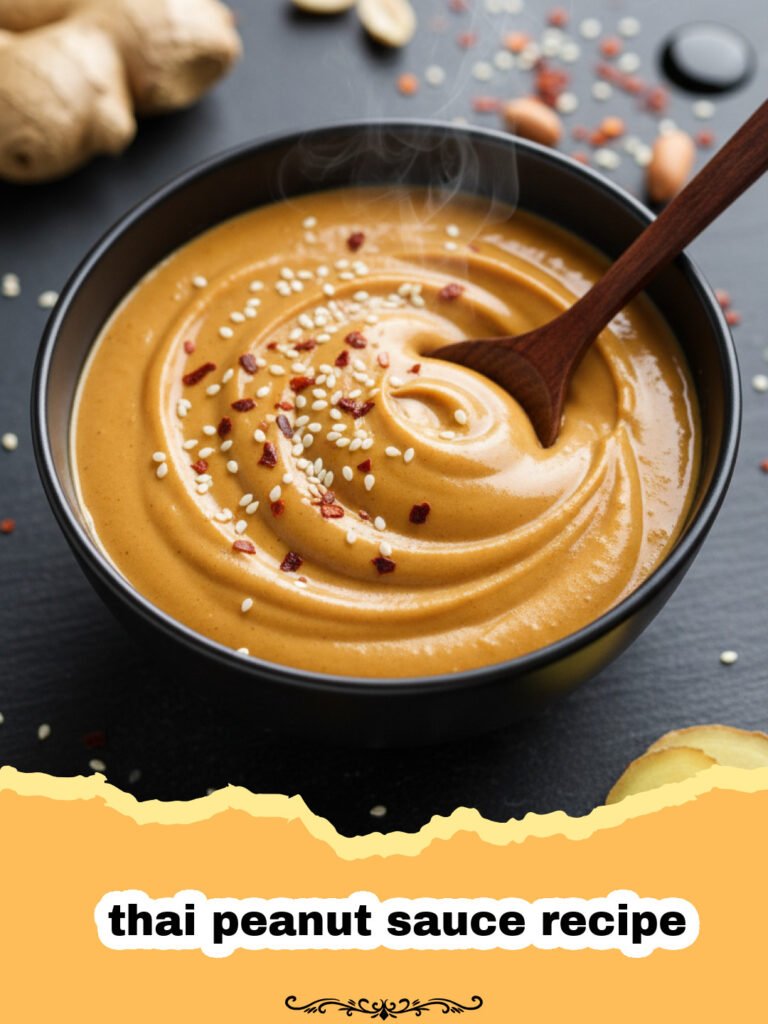
Authentic 5-Minute Thai Peanut Sauce
A creamy, balanced, and incredibly easy thai peanut sauce recipe perfect for dipping, drizzling, or marinating.
- Total Time: 5 minutes
- Yield: 1.5 cups 1x
Ingredients
1/2 cup natural creamy peanut butter
2 tablespoons soy sauce (or tamari)
1 tablespoon rice vinegar
1 tablespoon fresh lime juice
2 tablespoons honey or maple syrup
1 teaspoon toasted sesame oil
1 teaspoon freshly grated ginger
1 clove garlic, minced
1–2 teaspoons sriracha or chili garlic sauce (optional)
2–4 tablespoons warm water (to reach desired consistency)
Instructions
Step 1: In a medium bowl, combine the peanut butter, soy sauce, rice vinegar, lime juice, sweetener, sesame oil, grated ginger, garlic, and sriracha.
Step 2: Whisk the ingredients together vigorously. The mixture may appear thick or slightly separated at first.
Step 3: Add warm water one tablespoon at a time, whisking constantly, until the sauce reaches your desired thickness and is completely smooth.
Step 4: Taste the sauce and adjust the seasoning as needed, adding more lime for tang, honey for sweetness, or sriracha for heat.
Step 5: Transfer to a serving bowl or store in an airtight container in the refrigerator for up to one week.
Notes
If the sauce firms up in the fridge, simply whisk in a teaspoon of warm water before serving to restore the creamy texture.
- Prep Time: 5 minutes
- Cook Time: 0 minutes
- Category: Side Dishes
- Cuisine: Thai
Nutrition
- Serving Size: 2 tablespoons
- Calories: 145
- Sugar: 5g
- Sodium: 280mg
- Fat: 11g
- Saturated Fat: 2g
- Unsaturated Fat: 9g
- Trans Fat: 0g
- Carbohydrates: 8g
- Fiber: 1.5g
- Protein: 5g
- Cholesterol: 0mg
Keywords: thai peanut sauce recipe, peanut dip, easy peanut sauce, spring roll sauce, thai condiments