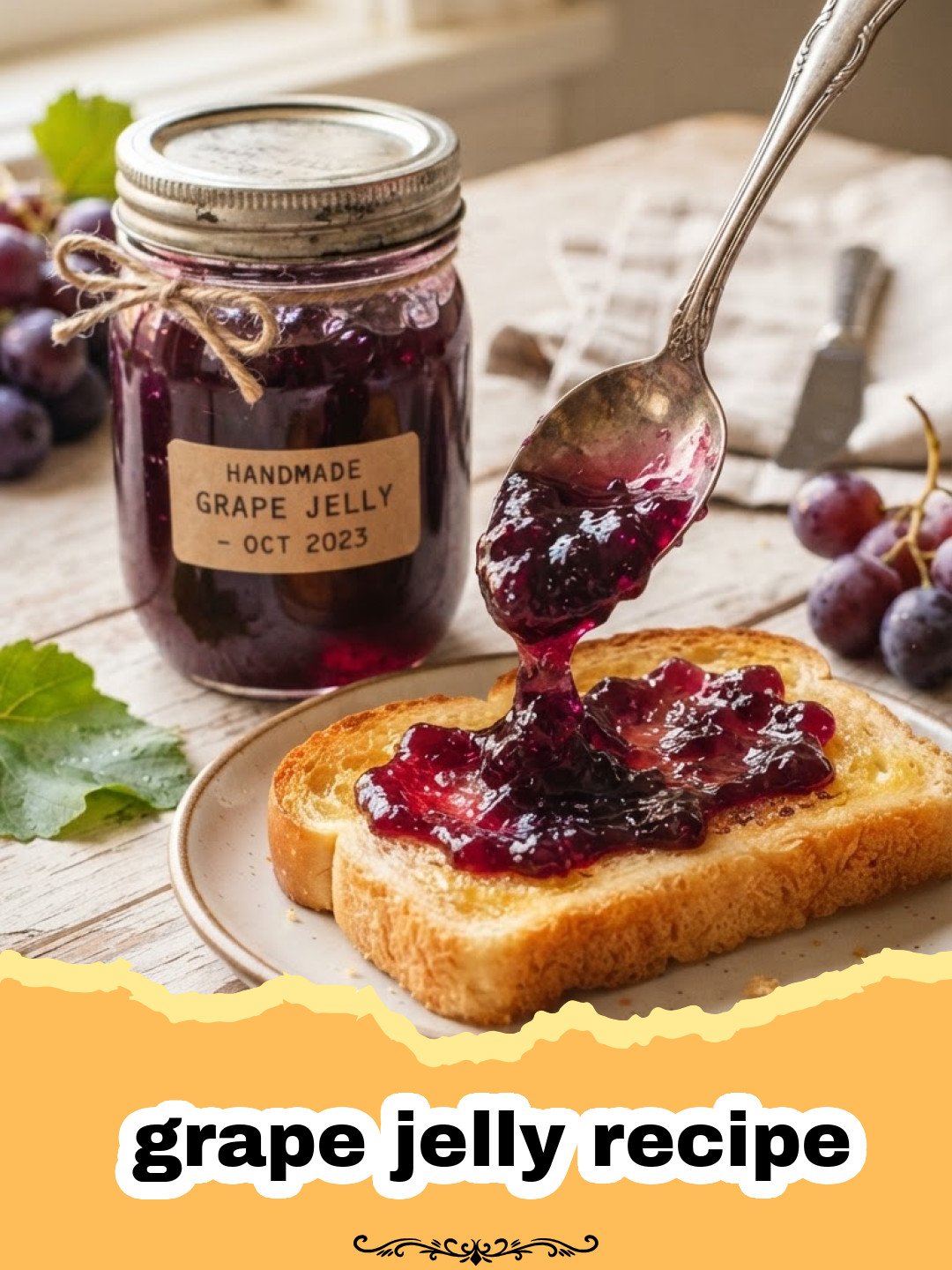
There are some smells and tastes that instantly transport you back in time, aren’t there? For me, that magical portal is a spoonful of homemade grape jelly. I remember summers spent at my grandmother’s farm, her kitchen a bustling hub of activity, especially when the Concord grapes were ripe. We’d pick basket after basket, their deep purple skins dusted with a natural bloom, their scent intoxicating. My grandmother, with her flour-dusted hands and a twinkle in her eye, would start the process of turning those humble grapes into gleaming jars of jelly. The gentle simmer on the stove, the sweet, musky aroma filling every corner of the house, and then the satisfying ‘pop!’ as each jar sealed – these are memories etched deep in my heart. This isn’t just about a grape jelly recipe; it’s about preserving a piece of summer, a memory, and a tradition. It’s about taking simple ingredients and, with a little love and patience, creating something truly extraordinary that brings joy with every bite. If you’ve ever yearned for that authentic, store-bought-doesn’t-compare flavor, then this homemade grape jelly recipe is exactly what you need. It’s simpler than you might think, incredibly rewarding, and tastes like pure sunshine in a jar. Get ready to create your own delicious memories!
Why This Grape Jelly Recipe is a Must-Try
- Unbeatable Fresh Flavor: Unlike commercial jellies, this homemade grape jelly recipe captures the vibrant, pure essence of fresh grapes, without any artificial flavors or excessive sweeteners.
- Simple Ingredients, Stunning Results: You’ll be amazed at how a few basic components can transform into such a luxurious spread. This grape jelly recipe relies on the natural pectin in the grapes.
- Perfect for Gifting: Beautifully packaged jars of this homemade grape jelly make thoughtful and cherished gifts for friends, family, and neighbors.
- Versatile Culinary Staple: Beyond toast, this grape jelly recipe is fantastic in glazes for meats, as a filling for pastries, or swirled into yogurt.
Key Ingredient Notes
While the beauty of this grape jelly recipe lies in its simplicity, a few key ingredients deserve special mention to ensure your success:
Fresh Grapes
The star of our show! For the best results, use Concord grapes. Their distinctive tartness, deep color, and high pectin content make them ideal for this grape jelly recipe. If Concord grapes aren’t available, other slip-skin grape varieties like Niagara (for a white jelly) or Muscadine can work, but you might need to adjust the pectin or sugar slightly depending on their natural sweetness and pectin levels. Always choose ripe, firm grapes for maximum flavor. You’ll want to pick through them, discarding any bruised or shriveled ones.
Sugar
Sugar does more than just sweeten; it plays a crucial role in the gelling process and acts as a preservative. This grape jelly recipe calls for granulated sugar. The amount specified is carefully balanced to achieve the perfect set and flavor. Resist the urge to drastically reduce the sugar, as this can prevent the jelly from gelling properly and shorten its shelf life. If you prefer less sweet, consider a low-sugar pectin product, but then you’d be following a different grape jelly recipe entirely.
Pectin (Optional, but Recommended for Consistent Set)
While Concord grapes are naturally high in pectin, adding a little commercial pectin (especially liquid pectin) can provide a more consistent and reliable set, which is especially helpful for beginners making this grape jelly recipe. It reduces the need for extensive boiling, preserving the fresh grape flavor. If you opt for no added pectin, you’ll need to boil the juice longer to concentrate the natural pectin, which can sometimes result in a darker, slightly caramelized flavor. Always follow the pectin manufacturer’s instructions for best results, as different brands can vary.
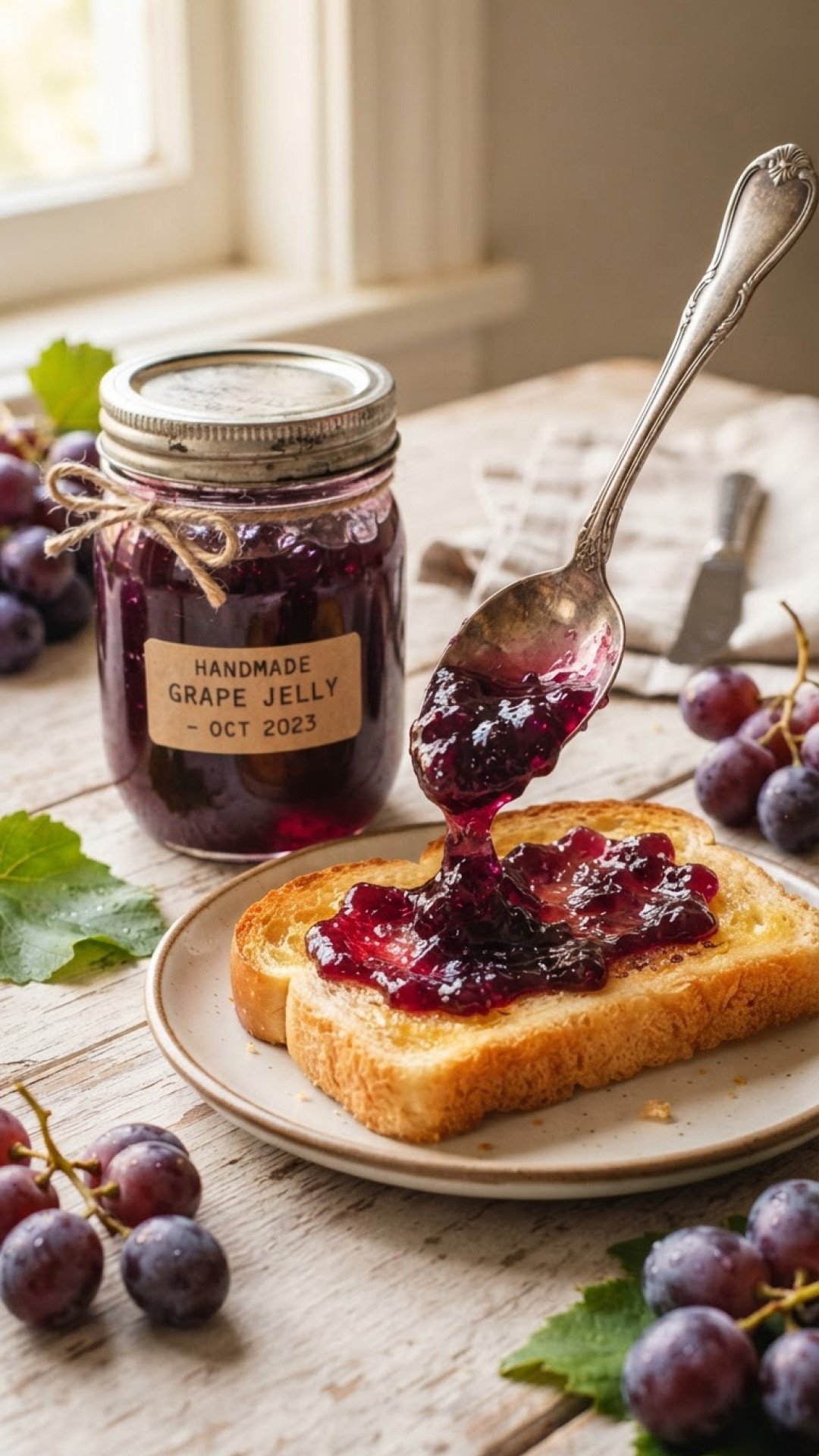
Step-by-Step Guide with Pro Tips
Mastering this grape jelly recipe is all about a few key techniques. Follow these steps for perfect, shimmering jelly every time.
Preparing Your Grapes and Extracting Juice
- Step 1: Begin by washing your grapes thoroughly. Remove them from their stems. There’s no need to de-seed them at this stage.
- Step 2: Place the clean grapes into a large, heavy-bottomed pot. Add the water.
- Step 3: Bring the mixture to a boil over medium-high heat, then reduce heat to low, cover, and simmer for about 15-20 minutes, stirring occasionally. The grapes should be very soft and have released most of their juice.
- Step 4: Prepare your straining setup. Line a colander with several layers of cheesecloth or a clean jelly bag. Place the colander over a large bowl or pot.
- Step 5: Carefully pour the cooked grape mixture into the cheesecloth-lined colander. Allow the juice to drip through naturally for several hours, or even overnight. Do NOT squeeze the bag, as this can force pulp through, resulting in cloudy jelly. Patience is key for a clear grape jelly recipe!
- Pro Tip: If you’re short on time and don’t mind a slightly less clear jelly, you can gently press the solids after the initial drip to extract a bit more juice.
Cooking the Jelly
- Step 6: Measure the grape juice. You should aim for approximately 4 cups of juice for this grape jelly recipe. If you have less, top up with water. If you have more, you can either scale up the other ingredients or save the excess juice for another use.
- Step 7: Pour the measured grape juice into a clean, large, heavy-bottomed pot. Stir in the granulated sugar. If using liquid pectin, add it now and mix well. If using powdered pectin, sprinkle it over the cold juice and stir until dissolved before heating.
- Step 8: Bring the mixture to a rolling boil over high heat, stirring constantly to dissolve the sugar. A rolling boil is one that cannot be stirred down.
- Step 9: Continue boiling vigorously for 1 minute for liquid pectin, or according to powdered pectin instructions. For no-pectin jelly, boil until the jelly reaches the gelling point (220°F/104°C at sea level), or passes the cold plate test (a spoonful on a chilled plate wrinkles when pushed).
- Pro Tip: Use a candy thermometer to accurately gauge the temperature for no-pectin jelly. For the cold plate test, put a few small ceramic plates in the freezer before you start cooking.
Canning and Sealing
- Step 10: While the jelly is cooking, sterilize your canning jars and lids. Wash them in hot, soapy water, rinse well, and then either boil jars for 10 minutes or run them through a dishwasher’s sanitizing cycle. Keep them hot until filling.
- Step 11: Carefully ladle the hot grape jelly into the hot, sterilized jars, leaving 1/4 inch headspace.
- Step 12: Wipe the rims of the jars clean with a damp cloth to ensure a good seal. Place hot lids and screw on the bands finger-tight.
- Step 13: Process the filled jars in a boiling water canner for 10 minutes (adjusting for altitude if necessary).
- Step 14: Carefully remove the jars from the canner and place them on a towel-lined surface, away from drafts. Let them cool undisturbed for 12-24 hours. You should hear the satisfying ‘pop’ as the jars seal.
- Pro Tip: For easy storage, consider investing in Basics Glass Food Storage jars designed for canning. After sealing, check for proper seals by pressing the center of the lid. If it doesn’t flex, it’s sealed. Remove bands for long-term storage.
Variations & Serving Suggestions
This classic grape jelly recipe is wonderful on its own, but there’s always room for a little culinary creativity!
Flavor Variations:
- Spiced Grape Jelly: Add a cinnamon stick, a few cloves, or a star anise to the grapes during the initial simmering phase for a warm, aromatic twist. Remove spices before straining.
- Grape-Lemon Jelly: A splash of fresh lemon juice (1-2 tablespoons per batch) added during the boiling stage can brighten the flavor and aid in gelling, especially if your grapes are on the sweeter side.
- Mixed Berry Grape Jelly: Combine your grapes with an equal amount of another high-pectin fruit like tart apples or cranberries during the initial cooking phase for a unique blend.
Serving Suggestions:
- Classic Toast & Scones: The ultimate pairing. Spread generously on buttered toast, warm biscuits, or fluffy scones.
- Peanut Butter & Jelly Sandwich: The iconic duo! This homemade grape jelly recipe elevates a simple PB&J to gourmet levels.
- Glazes & Sauces: Melted grape jelly can be brushed over roasted chicken or pork for a sweet and tangy glaze. It also makes a fantastic base for a quick pan sauce.
- Cheese Boards: Pair with sharp cheddar, creamy brie, or tangy goat cheese for a delightful sweet and savory combination.
- Dessert Topping: Drizzle over vanilla ice cream, stir into plain yogurt, or use as a filling for thumbprint cookies or mini tarts.
- Cocktail Mixer: A spoonful can add a unique sweetness and depth to certain cocktails or non-alcoholic mocktails.
Nutrition Information
Here’s a breakdown of the nutritional content for one serving of this delightful grape jelly recipe:
| Nutrient | Amount per Serving |
|---|---|
| Calories | 55 kcal |
| Carbohydrate Content | 14 g |
| Cholesterol Content | 0 mg |
| Fat Content | 0 g |
| Fiber Content | 0.1 g |
| Protein Content | 0.1 g |
| Saturated Fat Content | 0 g |
| Serving Size | 1 tbsp (15g) |
| Sodium Content | 1 mg |
| Sugar Content | 13 g |
| Trans Fat Content | 0 g |
| Unsaturated Fat Content | 0 g |
Conclusion
There’s a special kind of magic in making something from scratch, especially when it’s a timeless classic like this grape jelly recipe. It’s more than just food; it’s an experience, a connection to the past, and a delightful treat for the future. From the fragrant simmer on the stovetop to the satisfying ‘pop’ of a sealed jar, every step is a small victory. This simple grape jelly recipe allows you to capture the essence of summer and enjoy it all year long. So go ahead, gather your grapes, sterilize your jars, and embark on this wonderful journey. Your taste buds, and anyone lucky enough to receive a jar, will thank you. For more canning adventures, be sure to check out our Canning Salsa Recipes for a Garden-Fresh Pantry, or if you’re looking to preserve other delicious fruits, our Homemade Elderberry Syrup Recipe. Happy canning!
FAQs
What kind of grapes are best for this grape jelly recipe?
Concord grapes are highly recommended for this grape jelly recipe due to their excellent flavor, deep color, and high natural pectin content. Other slip-skin varieties like Niagara or Muscadine can also be used, but may require adjustments to sugar or pectin.
Do I need to add pectin to this homemade grape jelly recipe?
While Concord grapes are naturally high in pectin, adding a commercial pectin (liquid or powdered) is recommended for a more consistent and reliable set, especially for beginners. If you choose not to use added pectin, you will need to boil the juice longer to reach the gelling point.
How do I prevent my homemade grape jelly from being cloudy?
To ensure clear grape jelly, avoid squeezing the cheesecloth or jelly bag when straining the cooked grape pulp. Allow the juice to drip naturally and patiently. Squeezing forces small pulp particles through, which can make the jelly cloudy.
How long does homemade grape jelly last?
Properly canned and sealed homemade grape jelly can last for at least 1 year when stored in a cool, dark place. Once opened, it should be refrigerated and consumed within 2-3 weeks.
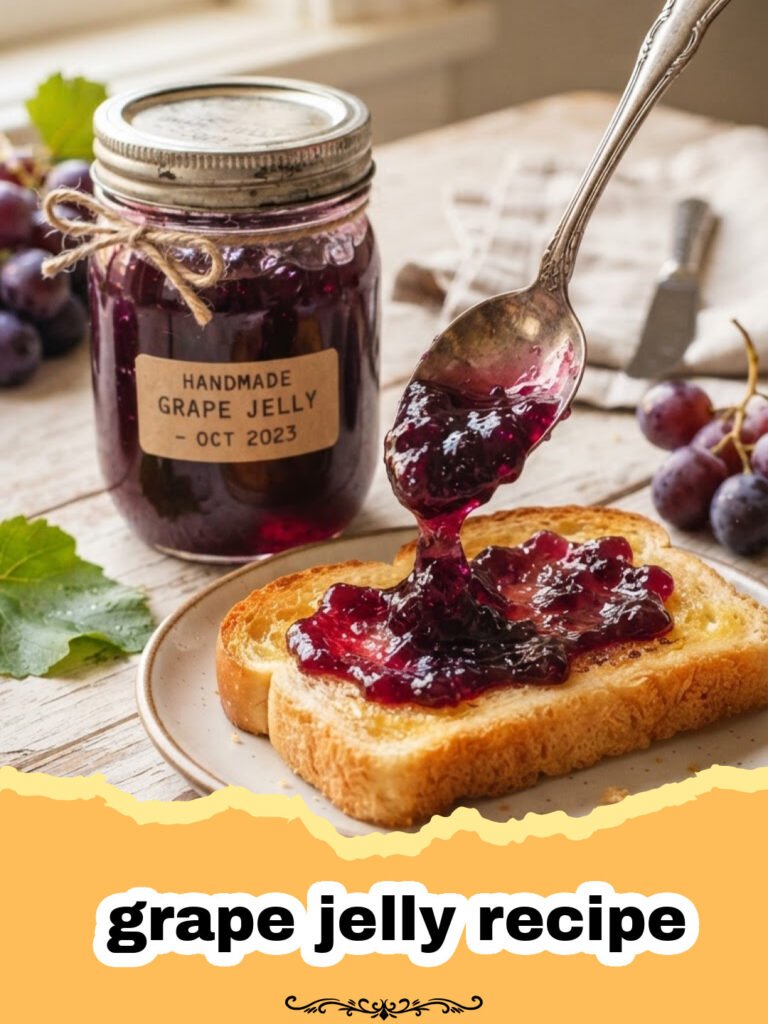
Classic Homemade Grape Jelly
A delightful, easy-to-follow grape jelly recipe that captures the sweet, vibrant flavor of fresh grapes, perfect for preserving summer’s bounty.
- Total Time: 4 hours (includes straining time)
- Yield: About 6–7 half-pint jars 1x
Ingredients
4–5 pounds fresh Concord grapes (or other slip-skin variety)
1/2 cup water
5 cups granulated sugar (for 4 cups of juice)
1 (3 ounce) pouch liquid fruit pectin OR 1 box powdered pectin (optional, recommended for consistency)
Instructions
Step 1: Wash grapes thoroughly and remove them from their stems. Discard any bruised or shriveled grapes.
Step 2: Place the clean grapes and 1/2 cup of water into a large, heavy-bottomed pot.
Step 3: Bring the mixture to a boil over medium-high heat. Reduce heat to low, cover, and simmer for 15-20 minutes, stirring occasionally, until grapes are very soft and have released their juice.
Step 4: Set up a strainer by lining a colander with several layers of cheesecloth or a jelly bag. Place the colander over a large bowl or pot.
Step 5: Carefully pour the cooked grape mixture into the cheesecloth-lined colander. Allow the juice to drip through naturally for several hours or overnight. Do not squeeze the bag to avoid cloudy jelly.
Step 6: Measure out 4 cups of the clear grape juice. If you have less, add a little water to reach 4 cups. If using powdered pectin, sprinkle it over the cold juice and stir until dissolved. If using liquid pectin, add it directly after measuring the juice.
Step 7: Pour the measured grape juice into a clean, large, heavy-bottomed pot. Add the granulated sugar. If using liquid pectin, ensure it’s already mixed in.
Step 8: Bring the mixture to a full rolling boil over high heat, stirring constantly to dissolve the sugar. A rolling boil is one that cannot be stirred down.
Step 9: Boil vigorously for 1 minute (for liquid pectin) or according to powdered pectin instructions. For no-pectin jelly, continue boiling until the mixture reaches 220°F (104°C) at sea level, or passes the cold plate test (a spoonful on a chilled plate wrinkles when pushed).
Step 10: While the jelly is cooking, sterilize half-pint canning jars and their lids. Wash them, then boil jars for 10 minutes or use a sanitizing dishwasher cycle. Keep them hot until ready to fill.
Step 11: Carefully ladle the hot grape jelly into the hot, sterilized jars, leaving 1/4 inch headspace. Wipe jar rims clean with a damp cloth.
Step 12: Place hot lids on the jars and screw on the bands finger-tight.
Step 13: Process the filled jars in a boiling water canner for 10 minutes (adjusting for altitude if necessary).
Step 14: Carefully remove jars from the canner and place them on a towel-lined surface. Let them cool undisturbed for 12-24 hours. Check for proper seals; if the center of the lid doesn’t flex, it’s sealed. Store in a cool, dark place.
Notes
For the best results and a clear jelly, avoid squeezing the grape pulp during the straining process. Natural pectin in Concord grapes helps with gelling, but adding commercial pectin ensures a more consistent set, especially for beginners. Always sterilize jars and lids properly for safe canning. Unsealed jars should be refrigerated and consumed within a few weeks.
- Prep Time: 30 minutes
- Cook Time: 25 minutes
- Category: Sweet Breakfasts
- Cuisine: American
Nutrition
- Serving Size: 1 tbsp (15g)
- Calories: 55 kcal
- Sugar: 13 g
- Sodium: 1 mg
- Fat: 0 g
- Saturated Fat: 0 g
- Unsaturated Fat: 0 g
- Trans Fat: 0 g
- Carbohydrates: 14 g
- Fiber: 0.1 g
- Protein: 0.1 g
- Cholesterol: 0 mg
Keywords: grape jelly recipe, homemade jelly, concord grape jelly, canning grapes, fruit preserve, easy jelly recipe, sweet breakfast, grape spread