There’s nothing quite like the aroma of a homemade cake baking in the oven, or the delight of sinking your teeth into a perfectly moist and tender slice. While baking a cake might seem daunting, it’s a truly rewarding experience that’s within everyone’s reach. With a few key homemade cake baking tips and a sprinkle of patience, you’ll be creating show-stopping desserts in no time!
The Foundation: Quality Ingredients Make a Difference
The journey to a perfect cake begins long before the mixing bowl comes out. High-quality, fresh ingredients are paramount to achieving superior flavor and texture. Think fresh, unsalted butter, vibrant large eggs, good quality all-purpose flour, and rich whole milk. Even a hint of pure vanilla extract can elevate your cake from good to extraordinary.
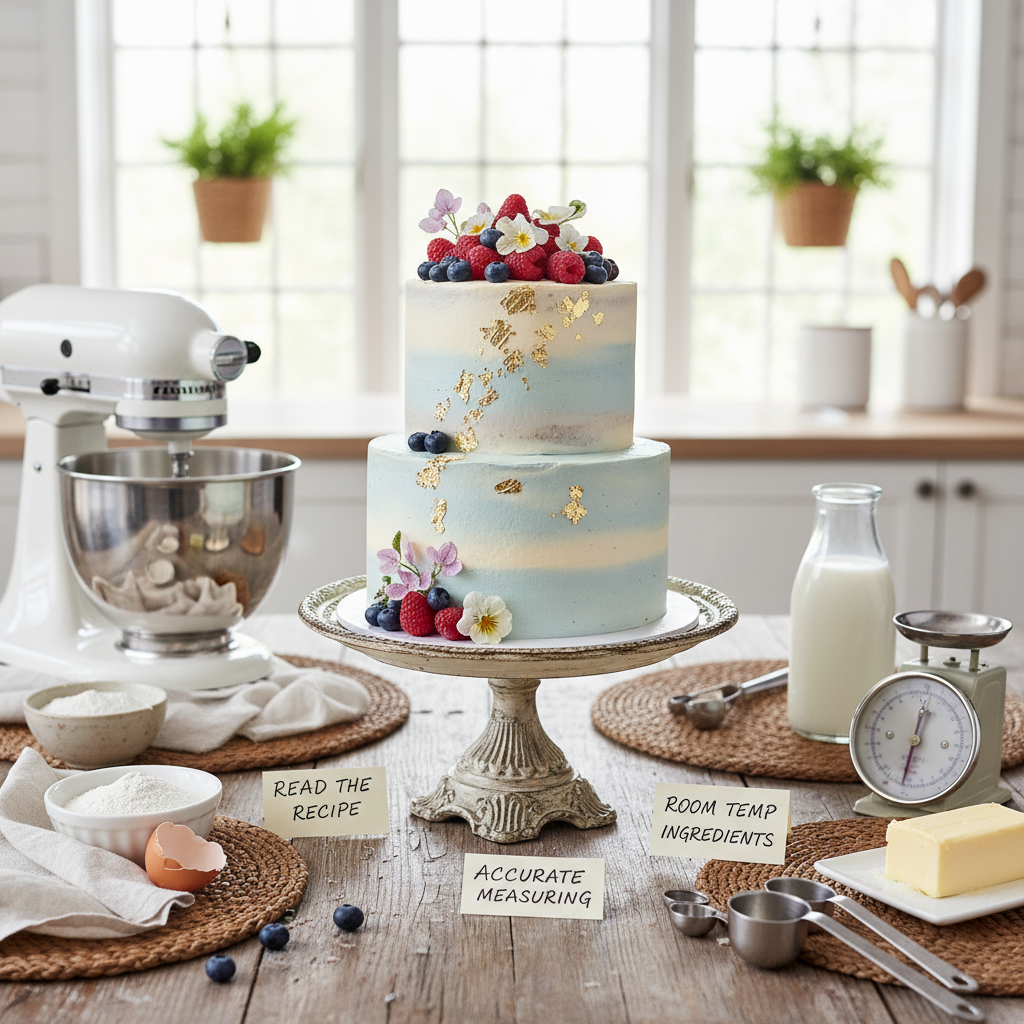
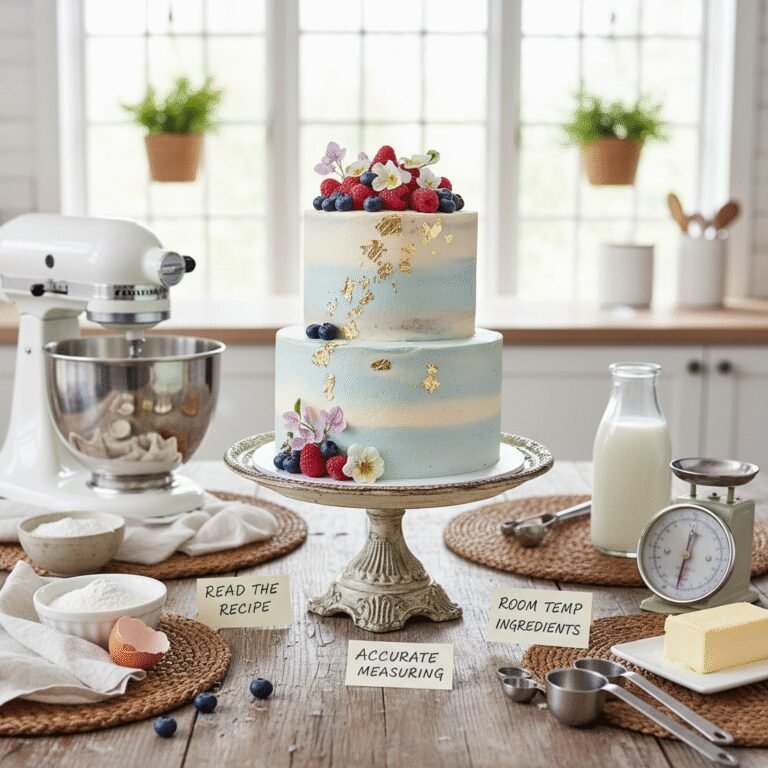
A crucial tip many overlook is ensuring your cold ingredients, like butter and eggs, are at room temperature. This allows them to emulsify properly, creating a smooth, cohesive batter that traps air efficiently, leading to a lighter, more tender crumb. Plan ahead and take them out of the fridge about an hour before you start baking.
Tools of the Trade: Choosing and Preparing Your Cake Pan
Your equipment plays a starring role in cake baking success. While any decent cake pan can work, specific sizes like a 9-inch round or 8-inch square are common and versatile. For smaller delights, a 12-cup muffin tin is indispensable.
Proper pan preparation is non-negotiable for an easy release. Generously grease your pan with butter or non-stick spray, then dust it thoroughly with flour, tapping out any excess. For added peace of mind, especially with delicate cakes, cut a circle of parchment paper to line the bottom. And always, always preheat your oven. An inexpensive oven thermometer can be a lifesaver, ensuring your oven is at the precise temperature the recipe calls for, preventing uneven baking or dense results.
Mixing Mastery: Techniques for a Tender Crumb
The way you combine ingredients greatly impacts the final texture of your cake. Sifting dry ingredients like flour, baking powder, and baking soda together isn’t just for show; it aerates them and removes any lumps, ensuring they distribute evenly throughout the batter. When adding dry to wet ingredients, do so gradually and mix only until just combined. Over-mixing develops the gluten in the flour, leading to a tough, rubbery cake, which is the opposite of what we’re aiming for.
If you’re looking to put these tips into practice with a delicious recipe, consider baking an Irresistible Pineapple Pecan Cream Cheese Pound Cake, where careful mixing makes all the difference.
The Art of Fluffy Egg Whites
Many cake recipes call for whipped egg whites to achieve an incredibly light and airy texture. For the best results, use impeccably clean and dry bowls and whisks, as even a speck of grease can prevent the whites from whipping properly. Start beating at a low speed, gradually increasing to medium-high. Once they turn frothy, slowly sprinkle in your sugar. This technique creates stable, glossy peaks that will fold beautifully into your batter without deflating.
Common Cake Baking Blunders to Sidestep
Even seasoned bakers make mistakes. One common pitfall is opening the oven door too frequently during baking. This causes temperature fluctuations that can make your cake sink in the middle. Resist the urge to peek until at least two-thirds of the suggested baking time has passed.
Another error is not measuring ingredients accurately. Baking is a science, and precise measurements are key. Use proper measuring cups for dry ingredients (levelled off!) and liquid measuring cups for wet. Finally, don’t rush the cooling process! Allow your cake to cool in the pan for 10-15 minutes before inverting it onto a wire rack. This lets it firm up and prevents it from crumbling. For more simple baking ideas, you might enjoy our recipe for Easy 3-Ingredient Butter Cookies.
Conclusion
Baking a homemade cake is a delightful culinary adventure. By understanding the importance of quality ingredients, meticulous preparation, and gentle handling of your batter, you’re well on your way to baking success. Don’t be discouraged by minor setbacks; every bake is a learning opportunity. Embrace the process, experiment with flavors, and most importantly, enjoy the delicious fruits of your labor!
FAQs
How do I ensure my homemade cake is moist and flavorful?
For a moist and flavorful cake, always use fresh, high-quality ingredients like butter, eggs, and milk. Ensure all ingredients are at room temperature before mixing, and avoid over-mixing the batter, which can develop gluten too much and lead to a dry cake.
What’s the best way to prepare my cake pan for baking?
Proper pan preparation is crucial. Thoroughly grease the pan with butter or cooking spray, then dust it with flour, tapping out any excess. For extra insurance, line the bottom with a circle of parchment paper. Always preheat your oven adequately before the batter goes in.
Why are room temperature ingredients important for cake baking?
Room temperature ingredients, especially butter and eggs, emulsify better, creating a smoother, more uniform batter. This traps more air, resulting in a lighter, fluffier cake texture and a more even bake.
How can I achieve perfectly fluffy egg whites for my cake?
To achieve fluffy egg whites, start with very clean, dry bowls and utensils, as any grease can prevent them from whipping. Use room temperature eggs, beat them on low speed until frothy, then gradually increase speed. Add sugar slowly once soft peaks form, whipping until stiff, glossy peaks are achieved.
Homemade Cake Baking Success Tips
A comprehensive guide to mastering the art of homemade cake baking, covering essential tips for ingredients, preparation, and common pitfalls to achieve perfect results every time.
- Total Time: 1 hour 30 minutes
- Yield: Varies by recipe (e.g., 8-12 servings)
Ingredients
High-quality unsalted butter (room temperature)
Granulated sugar
All-purpose flour (sifted)
Large fresh eggs (room temperature)
Whole milk (room temperature)
Pure vanilla extract
Baking powder or baking soda (as per recipe)
Fine sea salt
Cake pans (e.g., 9-inch round, 8-inch square, muffin tins)
Parchment paper
Electric mixer (stand or hand-held)
Accurate measuring cups and spoons
Oven thermometer
Spatulas and whisks
Instructions
Step 1: Gather all your ingredients and ensure any cold items, like butter and eggs, are at room temperature for optimal emulsification.
Step 2: Precisely measure all dry ingredients. Sift flour with leavening agents and salt into a bowl to aerate and remove lumps, ensuring an even distribution.
Step 3: Prepare your chosen cake pan(s) by thoroughly greasing and flouring, or lining with parchment paper. Preheat your oven to the exact temperature using an oven thermometer for accuracy.
Step 4: Cream the room temperature butter and sugar together until the mixture is light, pale, and fluffy, typically for 3-5 minutes. Add eggs one at a time, mixing well after each addition to fully incorporate.
Step 5: In a separate bowl, whisk together your dry ingredients. Gradually add the dry ingredients alternately with the milk (or other liquid) to the wet ingredients, beginning and ending with dry. Mix only until just combined to avoid developing gluten.
Step 6: If your recipe calls for whipped egg whites, ensure your bowl and whisk are spotless. Beat egg whites until stiff, glossy peaks form, then gently fold them into the batter in two or three additions to maintain airiness.
Step 7: Pour the batter evenly into the prepared pan(s). Place in the preheated oven and resist the urge to open the oven door during the first two-thirds of the baking time to prevent the cake from sinking.
Step 8: Test for doneness by inserting a toothpick into the center; it should come out clean. Alternatively, gently touch the top of the cake, and it should spring back.
Step 9: Once baked, allow the cake to cool in the pan on a wire rack for 10-15 minutes before inverting it out onto the rack to cool completely. This prevents crumbling and helps the cake set.
Notes
These universal baking tips are designed to improve success across a wide range of cake recipes. Remember that practice makes perfect, so don’t be afraid to experiment and refine your technique!
- Prep Time: 30 minutes
- Cook Time: 30-60 minutes (varies by recipe)
- Category: Baking Tips
- Method: Baking
- Cuisine: Global
- Diet: Varied (can be adapted for specific diets)
Nutrition
- Serving Size: 1 slice (average)
- Calories: 350 kcal
- Sugar: 35g
- Sodium: 280mg
- Fat: 18g
- Saturated Fat: 10g
- Unsaturated Fat: 6g
- Trans Fat: 0g
- Carbohydrates: 50g
- Fiber: 1g
- Protein: 4g
- Cholesterol: 70mg
Keywords: cake baking tips, homemade cake, baking secrets, fluffy cake, moist cake