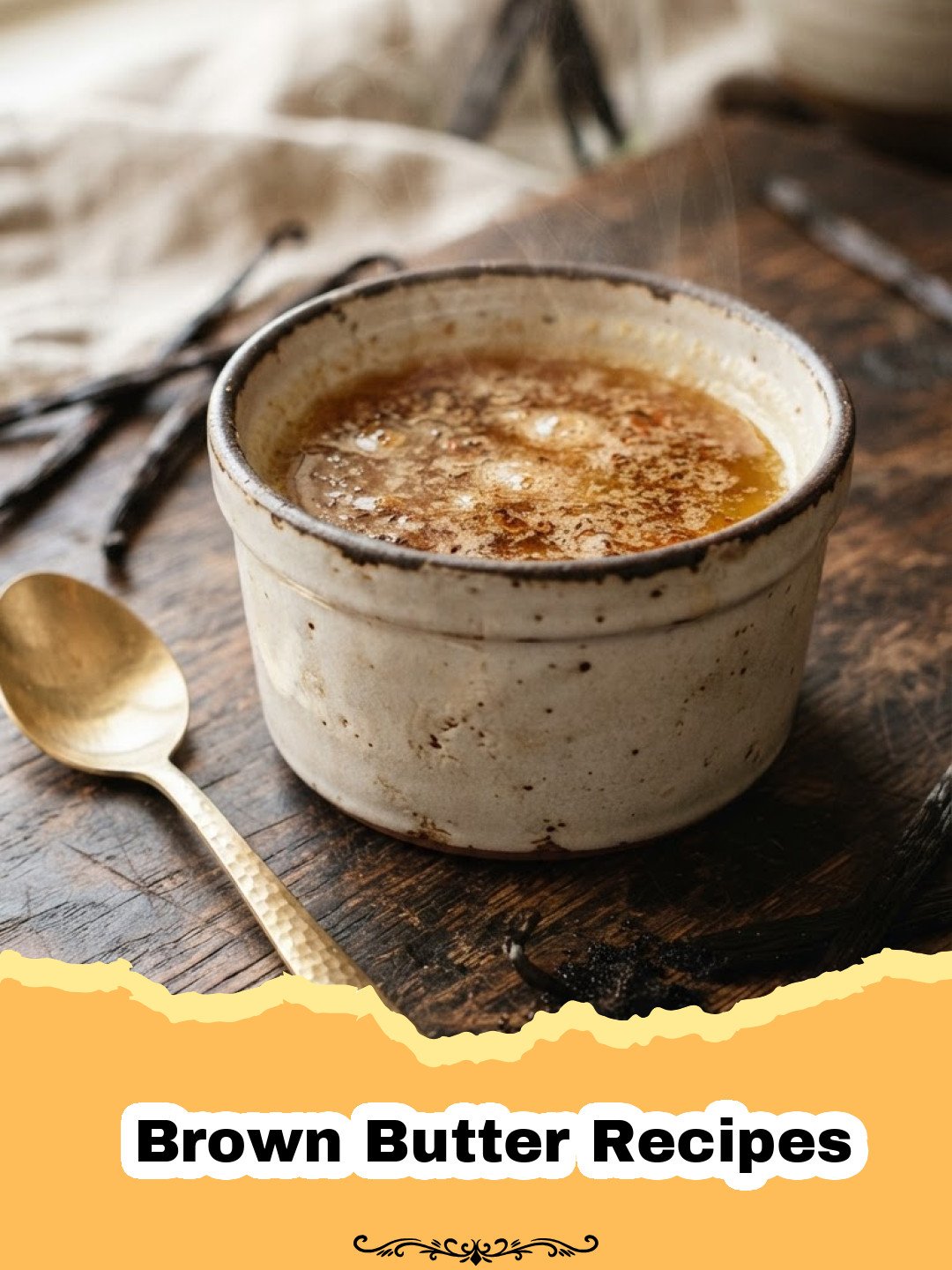
There are very few kitchen aromas that can instantly transport me back to my childhood, but the nutty, warm scent of brown butter is definitely one of them. I remember my grandmother, a quiet force in the kitchen, would often hum as she melted butter for her famous snickerdoodles or her savory sage pasta. It wasn’t until much later that I realized her secret ingredient wasn’t a rare spice or an exotic extract, but the simple, magical transformation of ordinary butter into something extraordinary: brown butter. This humble technique, also known as beurre noisette, takes everyday unsalted butter and turns it into a golden elixir, brimming with toasted, caramelized notes that can elevate virtually any dish. My earliest attempts at making it were, admittedly, a bit catastrophic – burnt butter, scorched pans, and a smoke alarm choir. But through trial, error, and my grandmother’s patient guidance, I mastered the art. Now, for me, a kitchen isn’t truly complete without the possibility of whipping up some delicious Brown Butter Recipes. It’s a foundational technique that every home cook should have in their repertoire, capable of adding unparalleled depth and complexity to both sweet and savory creations.
Why This Recipe is a Must-Try
- Unlocks Unrivaled Flavor: Brown butter isn’t just melted butter; it’s butter transformed. The milk solids caramelize, creating a deep, nutty, toffee-like flavor profile that adds immense depth to any dish, making it a star in countless Brown Butter Recipes.
- Versatile Culinary Tool: From baking cookies and cakes to enriching pasta sauces, roasting vegetables, or drizzling over seafood, brown butter is incredibly versatile. It’s the secret weapon that chefs use to add a gourmet touch.
- Simple & Quick to Master: Despite its sophisticated flavor, making brown butter is surprisingly easy and takes just a few minutes. With a watchful eye, you can achieve perfection every time.
- Elevates Everyday Dishes: You’ll be amazed at how a simple drizzle of brown butter can turn a mundane weeknight meal into a memorable culinary experience. This technique opens up a world of delightful Brown Butter Recipes.
Key Ingredient Notes
While brown butter only requires one ingredient, understanding that ingredient is key to success. For the best Brown Butter Recipes, start with quality.
- Unsalted Butter: This is non-negotiable. Always use unsalted butter when making brown butter. Why? Because you have full control over the salt content in your final dish. Salted butter can brown unevenly and may become too salty as the butter reduces. European-style butters, with their higher fat content, often yield a more intensely flavored brown butter, but any good quality unsalted butter will work beautifully for all your Brown Butter Recipes.
- The Right Pan: While not an ingredient, the pan you choose is crucial. A light-colored, heavy-bottomed pan allows you to clearly see the color changes of the butter as it browns. A dark pan can mask the subtle shifts in color, making it easier to accidentally burn your butter. A wider pan also helps the butter brown more evenly and quickly.
Step-by-Step Guide with Pro Tips
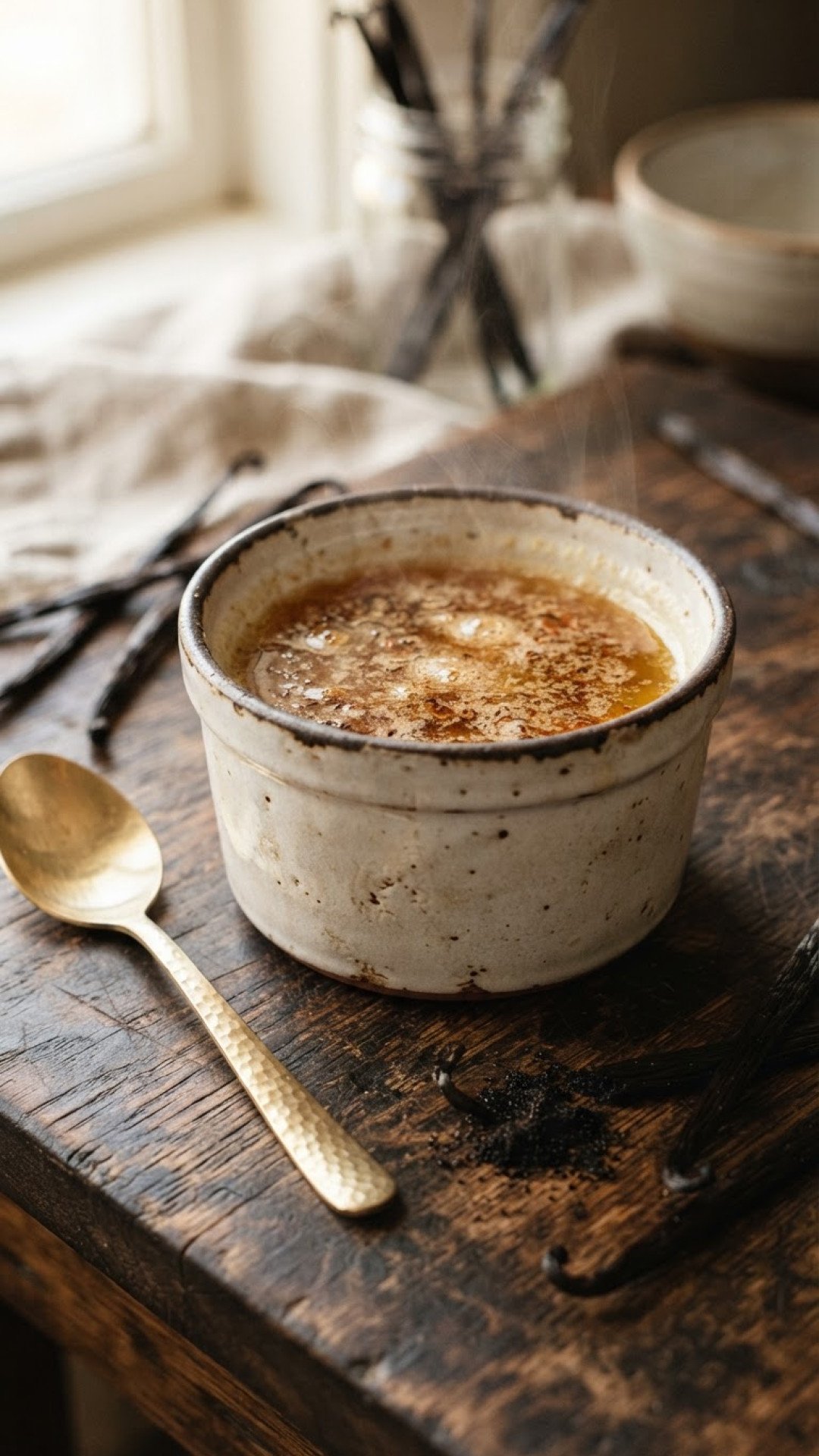
Mastering brown butter is a game-changer for so many Brown Butter Recipes. Here’s how to do it perfectly every time:
Pro Tip: Have a heat-proof bowl ready next to your stovetop. The moment your butter is perfectly browned, you’ll want to immediately pour it into this cold bowl to stop the cooking process. Residual heat in the pan can quickly turn perfectly browned butter into burnt butter.
Pro Tip: Don’t walk away! Brown butter goes from perfect to burnt in a matter of seconds. Stay by the stove, stirring, and watching carefully.
Variations & Serving Suggestions
Once you’ve mastered the art of making brown butter, a world of delectable Brown Butter Recipes opens up to you. It’s not just for sweet treats; it’s incredibly versatile!
- Sweet Applications: This is where many people first discover the magic of brown butter. Use it in place of melted butter in cookies, brownies, or blondies for an unparalleled depth of flavor. Think brown butter chocolate chip cookies or brown butter blondies. It also makes an incredible glaze for cakes, donuts, or even a simple drizzle over pancakes or Cloud Bread. For a next-level experience, try making a brown butter frosting for cupcakes.
- Savory Applications: Don’t limit yourself! Brown butter is fantastic in savory dishes.
- Pasta Sauces: A classic is brown butter and sage sauce for ravioli or gnocchi. The nutty flavor pairs beautifully with earthy herbs.
- Roasted Vegetables: Drizzle brown butter over roasted asparagus, Brussels sprouts, or squash for a rich, caramelized finish.
- Seafood: A simple pan-seared fish like salmon or scallops benefits immensely from a quick pan sauce made with brown butter, lemon, and capers.
- Popcorn: Elevate your movie night popcorn by tossing it with warm brown butter instead of plain melted butter. A sprinkle of sea salt and maybe some Parmesan, and you’re in for a treat.
- Vinaigrettes: Whisk cooled brown butter into your favorite vinaigrette for a nutty, rich dressing.
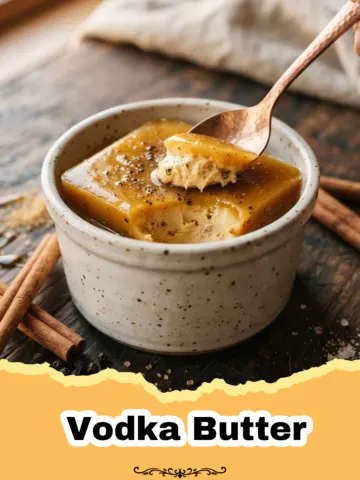
- Compound Butters: Combine cooled, solidified brown butter with herbs, garlic, or even a dash of Vodka Butter for an incredible compound butter perfect for steaks, toast, or corn on the cob.
- Storage Tip: Once your brown butter has cooled, you can store it in an airtight container in the refrigerator for up to two weeks. I often use Basics Glass Food Storage containers for this, as they’re great for seeing the contents and keep everything fresh. Reheat gently or let it come to room temperature before using in your favorite Brown Butter Recipes.
Nutrition Information
Here’s a breakdown of the nutritional information for a typical serving of plain brown butter, based on 1 tablespoon (14g).
| Nutrient | Amount per Serving |
|---|---|
| Calories | 102 kcal |
| Carbohydrate Content | 0 g |
| Cholesterol Content | 31 mg |
| Fat Content | 11.5 g |
| Fiber Content | 0 g |
| Protein Content | 0.1 g |
| Saturated Fat Content | 7.3 g |
| Serving Size | 1 tbsp (14g) |
| Sodium Content | 1 mg |
| Sugar Content | 0 g |
| Trans Fat Content | 0.4 g |
| Unsaturated Fat Content | 3.4 g |
*Nutritional values are estimates and may vary based on specific products and preparation methods.
Conclusion
Embracing the world of Brown Butter Recipes is like discovering a secret language of flavor. It’s a simple, yet profound technique that takes basic butter and elevates it to a whole new level of culinary excellence. From the first gentle sizzle to the final golden hue, the process is captivating, and the results are consistently rewarding. Whether you’re a seasoned baker, a curious home cook, or someone just looking to add a little extra magic to your meals, I encourage you to try making brown butter. Once you taste its nutty, rich complexity, you’ll find yourself wondering how you ever cooked without it. It’s truly one of those fundamental skills that will transform your kitchen and inspire countless delicious creations.
FAQs
What is brown butter and how is it different from melted butter?
Brown butter, also known as beurre noisette, is butter that has been cooked past its melting point, allowing the milk solids to toast and caramelize. This process develops a rich, nutty, and slightly sweet flavor reminiscent of toasted hazelnuts or caramel, completely distinct from plain melted butter.
Can I use salted butter to make brown butter?
It’s highly recommended to use unsalted butter when making brown butter. Using salted butter can result in an overly salty final product as the butter reduces, and it can also brown unevenly. Unsalted butter gives you full control over the seasoning of your dish.
What are the best uses for brown butter?
Brown butter is incredibly versatile! In sweet Brown Butter Recipes, it’s fantastic in cookies, brownies, cakes, and glazes. For savory applications, it excels in pasta sauces (like with sage), drizzled over roasted vegetables, fish, or even popcorn. Its nutty flavor elevates countless dishes.
How do I store brown butter?
Once made, allow the brown butter to cool completely. You can then transfer it to an airtight container and store it in the refrigerator for up to two weeks. It will solidify when chilled, similar to regular butter. You can gently reheat it for liquid applications or use it softened for baking.
How to Make Perfect Brown Butter (Beurre Noisette)
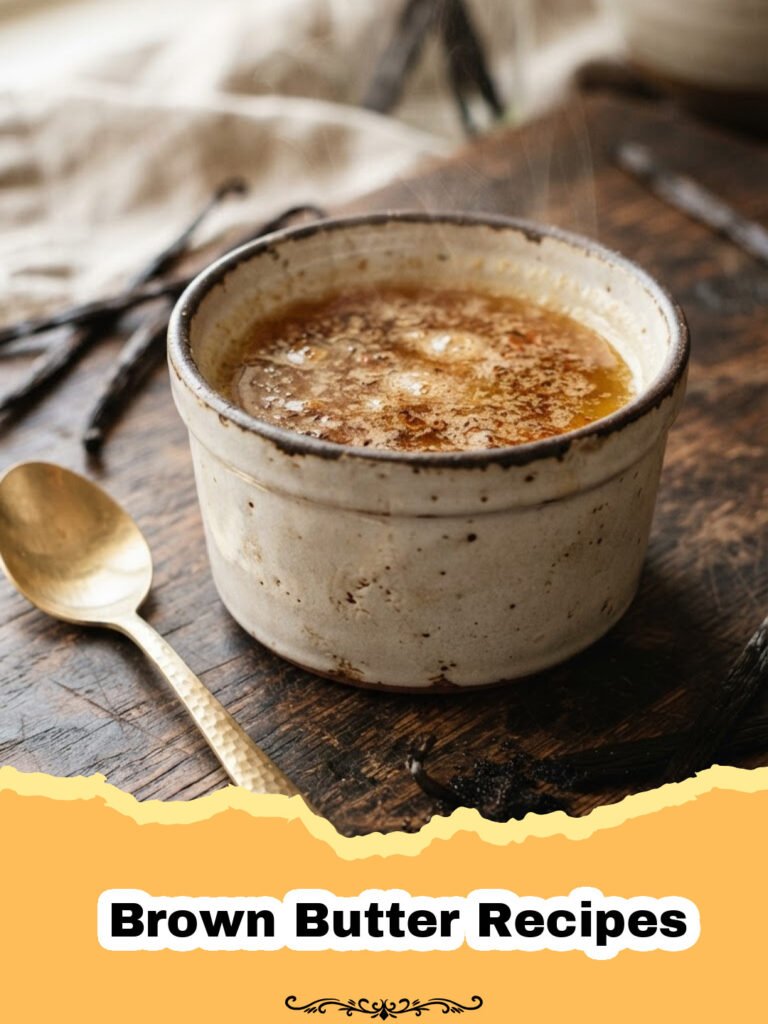
Learn the simple, essential technique for transforming ordinary unsalted butter into rich, nutty, golden brown butter, also known as beurre noisette. This versatile ingredient adds incredible depth to both sweet and savory Brown Butter Recipes.
- Total Time: 7-9 minutes
- Yield: Approximately 1/2 cup (from 1 stick of butter) 1x
Ingredients
8 tablespoons (1 stick or 113g) unsalted butter
Instructions
Step 1: Cut the unsalted butter into 1-inch pieces. This helps it melt and brown more evenly.
Step 2: Place the butter pieces in a light-colored, heavy-bottomed saucepan over medium heat. Using a light-colored pan allows you to easily monitor the browning process.
Step 3: Allow the butter to melt completely. It will begin to foam and bubble. Continuously stir or swirl the pan gently to ensure even browning and prevent the milk solids from sticking to the bottom.
Step 4: As the butter cooks, the foam will subside, and the butter will start to turn a pale golden color. Keep stirring. Small brown bits (these are the milk solids) will begin to appear at the bottom of the pan.
Step 5: Continue to cook, stirring frequently, until the milk solids turn a deep, rich amber or hazelnut color (hence “beurre noisette,” or hazelnut butter). The aroma will shift from creamy to wonderfully nutty and toasted. This typically takes 5-7 minutes from the start of melting.
Step 6: Immediately remove the pan from the heat and pour the brown butter, including all the delicious browned bits, into a heat-proof bowl or jar to stop the cooking process. If left in the hot pan, it can quickly burn. Your perfect brown butter is now ready to use in your favorite Brown Butter Recipes!
Notes
Always use a light-colored pan to easily monitor the color changes. Watch closely as butter can go from perfectly browned to burnt very quickly. Immediately transfer to a cool bowl once desired color and aroma are achieved. Store cooled brown butter in an airtight container in the refrigerator for up to 2 weeks.
- Prep Time: 2 minutes
- Cook Time: 5-7 minutes
- Category: Cooking Hacks & Techniques
- Cuisine: French
Nutrition
- Serving Size: 1 tbsp (14g)
- Calories: 102 kcal
- Sugar: 0 g
- Sodium: 1 mg
- Fat: 11.5 g
- Saturated Fat: 7.3 g
- Unsaturated Fat: 3.4 g
- Trans Fat: 0.4 g
- Carbohydrates: 0 g
- Fiber: 0 g
- Protein: 0.1 g
- Cholesterol: 31 mg
Keywords: brown butter, beurre noisette, how to make brown butter, nutty butter, cooking hack, baking ingredient, savory brown butter, sweet brown butter, butter recipes, gourmet cooking