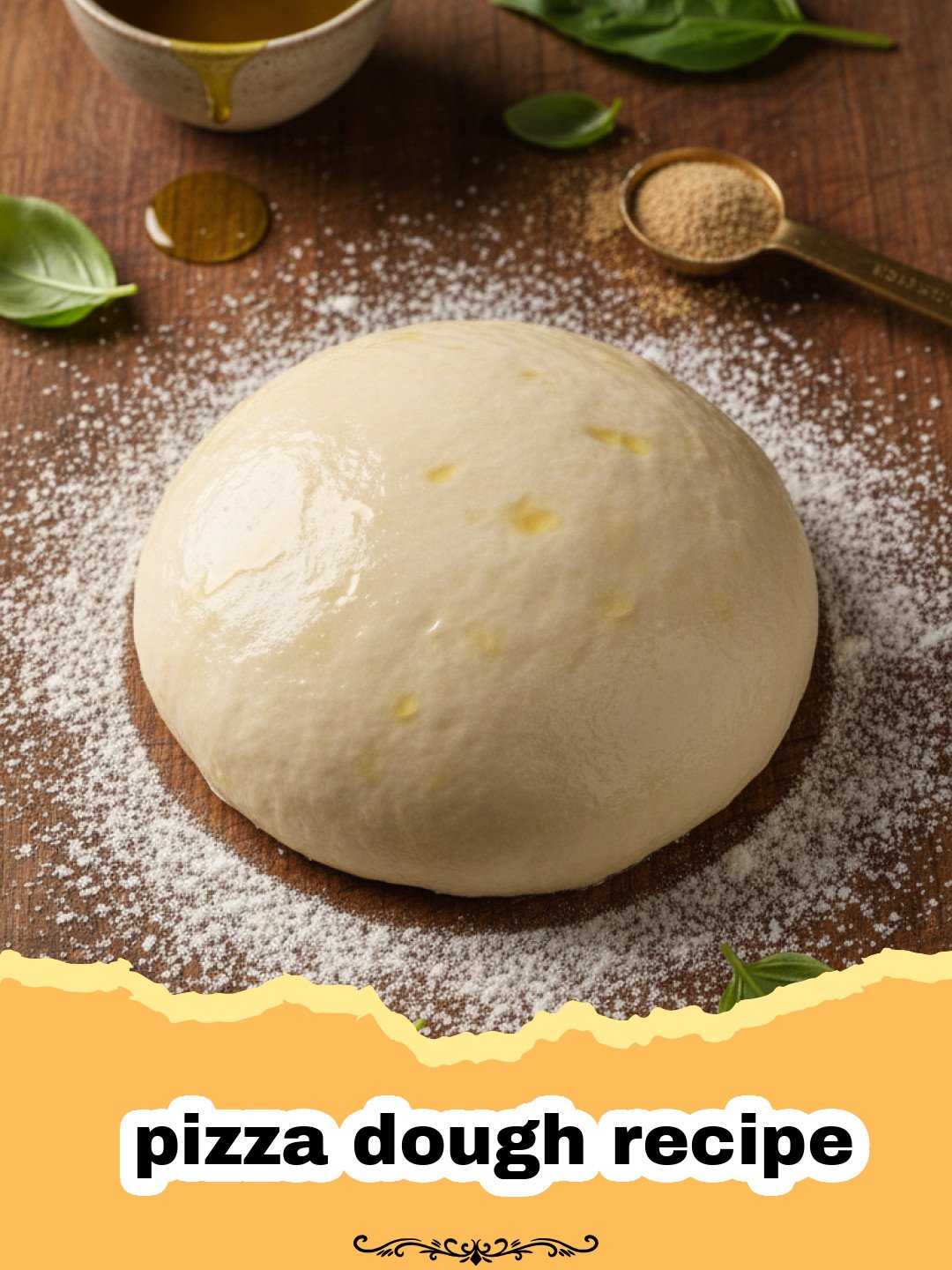
Finding a reliable pizza dough recipe is like finding a hidden treasure in your own kitchen. I still remember the first time I tried to make pizza from scratch about ten years ago; it was a disaster of sticky messes and a crust that felt more like a cracker than a dough. But through years of trial, error, and a lot of flour on my face, I finally perfected the ultimate pizza dough recipe that yields a chewy, crispy, and flavorful crust every single time. Friday nights at our house have become sacred—a time where the phone stays off, the music goes up, and we gather around the counter to stretch and top our creations. There is something deeply meditative about the process of kneading dough, watching it rise, and knowing that a few simple ingredients can create such a comforting meal. This pizza dough recipe is more than just a set of instructions; it is the foundation of our family traditions and the start of many delicious memories.
Why This Recipe is a Must-Try
- Professional Texture: This pizza dough recipe produces a crust that is crispy on the outside while remaining airy and chewy on the inside, mimicking the results of a high-end stone oven.
- Beginner-Friendly: You don’t need a culinary degree to master this pizza dough recipe; the steps are straightforward and the ingredients are likely already in your pantry.
- Total Versatility: Whether you prefer a thin New York-style slice or a thicker, doughier crust, this pizza dough recipe can be easily adjusted to suit your preference.
- Make-Ahead Convenience: You can prepare this dough in advance and let it slow-rise in the fridge, which actually improves the flavor over 24-48 hours.
Key Ingredient Notes
When you are making a pizza dough recipe, the quality of your ingredients directly impacts the final result. Here are the three most important components to consider:
The Flour (Bread Flour vs. All-Purpose)
While you can use all-purpose flour for this pizza dough recipe, I highly recommend using bread flour or Italian ’00’ flour. Bread flour has a higher protein content (usually 12-14%), which helps develop more gluten. This gluten structure is what gives the pizza its signature chew. If you use all-purpose flour, your crust will still be delicious, but it might be slightly softer and less structurally sound when you load it up with heavy toppings.
The Yeast (Active Dry vs. Instant)
For this pizza dough recipe, I typically use active dry yeast. This requires “blooming” the yeast in warm water and sugar first to ensure it is alive and active. If you are in a rush, you can use instant yeast, which can be mixed directly with the dry ingredients. However, the slow bloom of active dry yeast often results in a more nuanced flavor profile in the finished crust. Always check the expiration date on your yeast; if it doesn’t foam up, your pizza dough recipe won’t rise!
Water Temperature
Temperature is the secret variable in any pizza dough recipe. You want your water to be between 105°F and 115°F. If the water is too cold, the yeast won’t wake up; if it is too hot (over 120°F), it will kill the yeast entirely. Think of it like a warm bath—comfortable to the touch, but not scalding. Using a kitchen thermometer is the best way to ensure your pizza dough recipe starts off on the right foot.
Step-by-Step Guide with Pro Tips
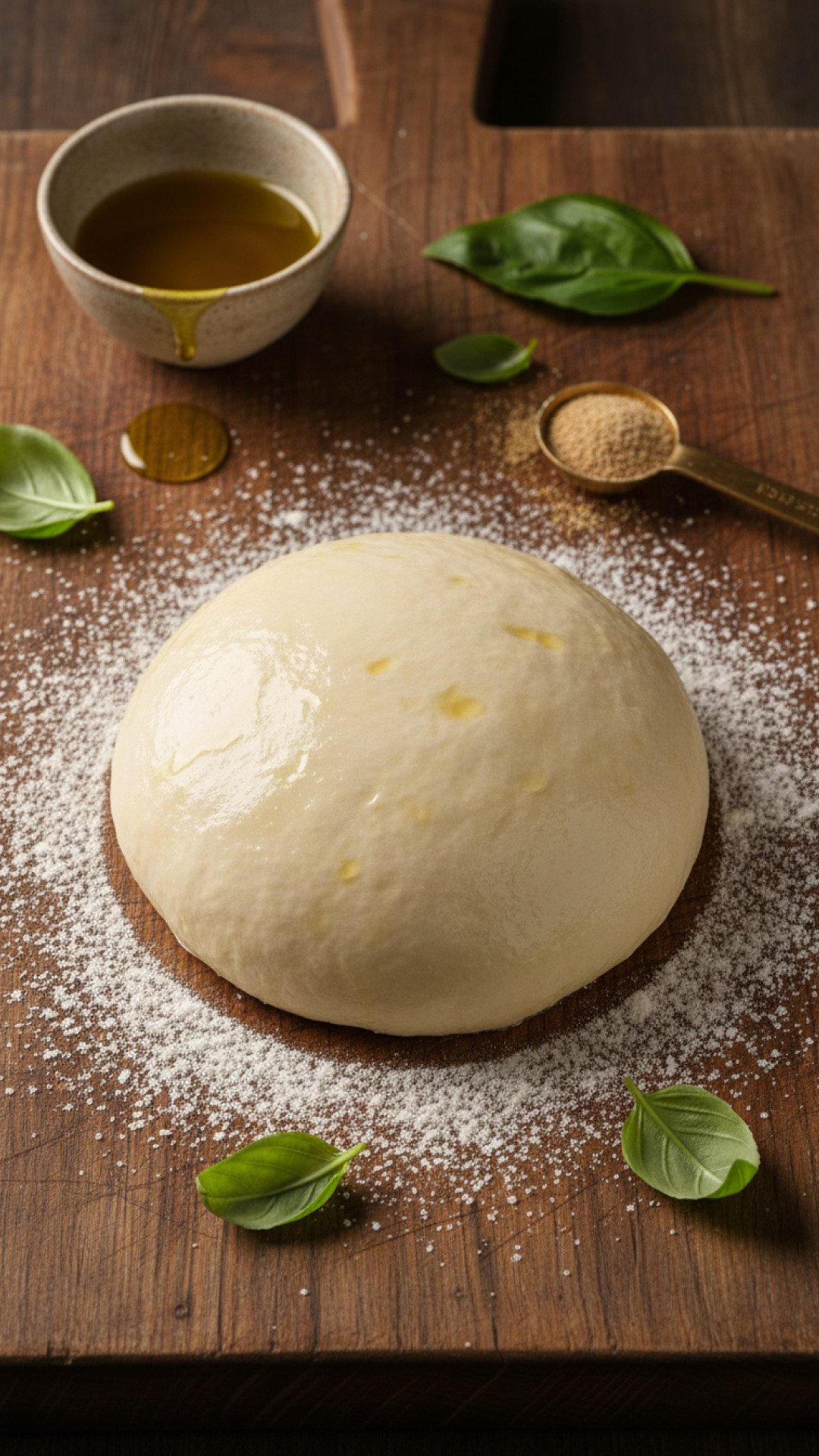
Creating the perfect pizza dough recipe is all about patience and technique. Start by blooming your yeast in a large bowl with warm water and a pinch of sugar. Once it becomes frothy, add your olive oil and salt. Gradually incorporate the flour, one cup at a time. I prefer to mix by hand initially to feel the hydration of the dough. Once the dough starts to pull away from the sides of the bowl, it is time to knead.
Kneading is where the magic happens in a pizza dough recipe. You want to push the dough away with the heel of your hand, fold it back, and turn it slightly. Repeat this for about 8-10 minutes. If you find the dough is sticking too much to your hands, add a tiny bit more flour, but be careful not to over-flour, or your crust will become tough. A great pro tip for storage is using Basics Glass Food Storage containers to let your dough rise or to store leftovers in the fridge; they are airtight and allow you to see exactly how much the dough has expanded.
After kneading, place the dough in a lightly oiled bowl, cover it with a damp cloth, and let it rise in a warm, draft-free area for about 90 minutes. It should double in size. Once risen, gently punch it down to release the air bubbles. This is the moment where this pizza dough recipe truly comes to life. If you find yourself craving other Italian classics while your dough rises, consider checking out The Ultimate Classic Homemade Lasagna Recipe for your next big family feast.
Variations & Serving Suggestions
Once you have mastered the basic pizza dough recipe, the world is your oyster. You can infuse the dough itself by adding a teaspoon of garlic powder, dried oregano, or even a handful of finely grated parmesan cheese to the dry ingredients. This adds an extra layer of flavor that complements any topping. For those who love a white pizza, this crust pairs beautifully with The Ultimate Homemade Alfredo Sauce Recipe as a base instead of traditional tomato sauce.
When it comes to serving, don’t be afraid to experiment with your baking surface. A preheated pizza stone or steel is ideal for achieving a crispy bottom. If you don’t have one, an inverted baking sheet works wonders. Always preheat your oven to its highest setting (usually 500°F or 550°F) for at least 30 minutes before baking to ensure the heat is evenly distributed. This high-heat environment is essential for the oven spring that makes this pizza dough recipe so light and airy.
Nutrition Information
| Nutrient | Amount Per Serving |
|---|---|
| Calories | 285 kcal |
| Carbohydrate Content | 52 g |
| Cholesterol Content | 0 mg |
| Fat Content | 5 g |
| Fiber Content | 2 g |
| Protein Content | 8 g |
| Saturated Fat Content | 0.7 g |
| Serving Size | 1 slice (1/8 of dough) |
| Sodium Content | 450 mg |
| Sugar Content | 1 g |
| Trans Fat Content | 0 g |
| Unsaturated Fat Content | 4 g |
Conclusion
Mastering this pizza dough recipe is a rewarding journey that brings the authentic taste of an Italian pizzeria right into your home. With just a few pantry staples and a bit of patience, you can create a crust that is the envy of all your friends. Whether it is a busy weeknight or a special weekend celebration, this pizza dough recipe is sure to be the star of the show. So, grab your flour, preheat that oven, and get ready to enjoy the most delicious homemade pizza you have ever tasted!
FAQs
Can I freeze this pizza dough recipe?
Yes! After the dough has risen for the first time, divide it into balls, lightly coat with oil, and place in freezer-safe bags. It can be frozen for up to 3 months. Thaw in the refrigerator overnight before using.
What is the best flour for a pizza dough recipe?
Bread flour is generally best because its high protein content creates a chewier, stronger crust. However, ’00’ flour is excellent for a very thin, authentic Italian-style pizza.
How long should I let my pizza dough recipe rise?
At room temperature, the dough should rise for 60 to 90 minutes. For a deeper flavor, you can do a cold ferment in the refrigerator for 24 to 72 hours.
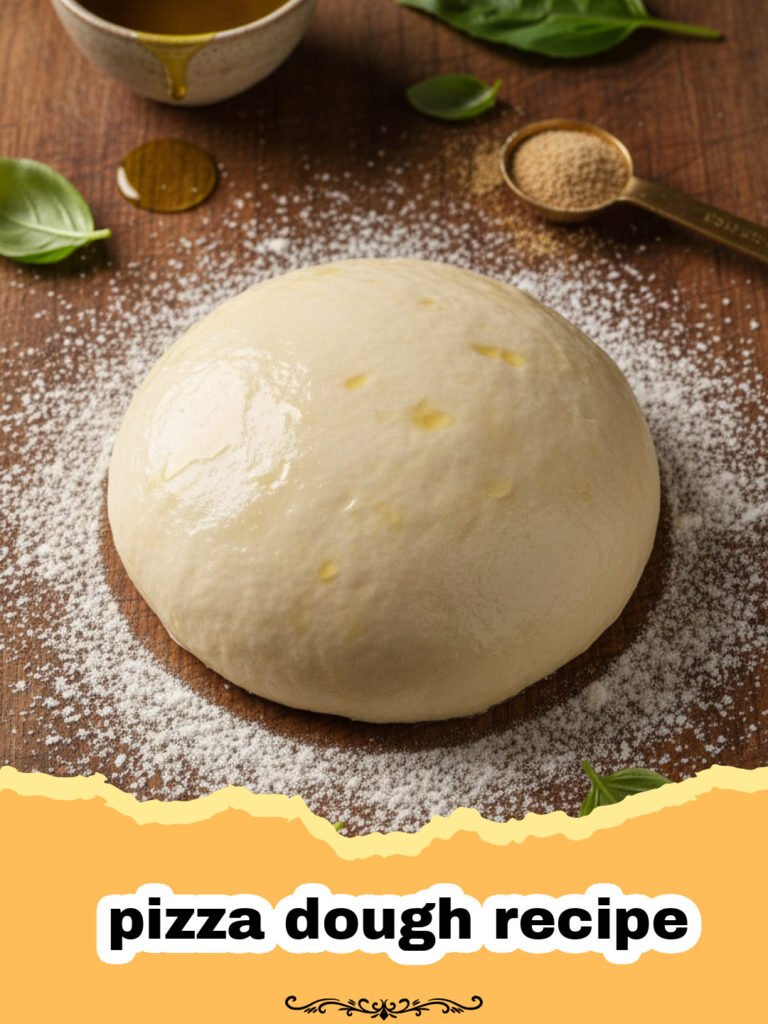
The Ultimate Homemade Pizza Dough
A foolproof pizza dough recipe that creates a perfect balance of crispy and chewy textures, ideal for any home oven.
- Total Time: 2 hours
- Yield: 2 12-inch pizzas 1x
Ingredients
1.5 cups warm water (105-115°F)
1 tablespoon granulated sugar
1 packet (2.25 tsp) active dry yeast
3.5 to 4 cups bread flour
2 tablespoons extra virgin olive oil
2 teaspoons sea salt
Instructions
Step 1: In the bowl of a stand mixer or a large mixing bowl, combine the warm water, sugar, and yeast. Stir gently and let sit for 5-10 minutes until the mixture is frothy and foamy.
Step 2: Add the olive oil and salt to the yeast mixture. Stir in the bread flour, one cup at a time, until a shaggy dough forms and starts to pull away from the sides of the bowl.
Step 3: Knead the dough on a lightly floured surface for 8-10 minutes by hand, or use the dough hook attachment on your mixer for 5-7 minutes, until the dough is smooth, elastic, and slightly tacky but not sticky.
Step 4: Place the dough in a large, lightly oiled bowl. Cover with plastic wrap or a damp kitchen towel. Let it rise in a warm, draft-free spot for 60-90 minutes, or until it has doubled in size.
Step 5: Gently punch down the risen dough to release air. Divide the dough into two equal portions. Shape into balls and let them rest for another 15 minutes before stretching.
Step 6: Preheat your oven to 500°F (260°C) with a pizza stone inside. Stretch the dough to your desired thickness, add toppings, and bake for 12-15 minutes until the crust is golden brown and the cheese is bubbly.
Notes
For the best flavor, let the dough rise in the refrigerator for 24 hours after the initial rise.
- Prep Time: 1 hour 45 minutes
- Cook Time: 15 minutes
- Category: Baked Goods
- Cuisine: Italian
Nutrition
- Serving Size: 1 slice (1/8 of dough)
- Calories: 285 kcal
- Sugar: 1 g
- Sodium: 450 mg
- Fat: 5 g
- Saturated Fat: 0.7 g
- Unsaturated Fat: 4 g
- Trans Fat: 0 g
- Carbohydrates: 52 g
- Fiber: 2 g
- Protein: 8 g
- Cholesterol: 0 mg
Keywords: pizza dough recipe, homemade pizza, easy dough, bread flour pizza, yeast dough