There’s something truly magical about the aroma of freshly baked bread filling your home, and for me, discovering easy flat bread recipes was a game-changer. I still remember my first hesitant attempt years ago, after a trip to a bustling Mediterranean market where the scent of warm, puffy flatbreads fresh from a tandoor oven completely captivated me. I came home determined to recreate that experience, but without a fancy oven or hours of proofing. Many trials and errors later, I landed on this recipe – a simple, no-fuss method that consistently delivers soft, chewy, and utterly delicious flatbreads. It became my kitchen’s unsung hero, versatile enough to accompany almost any meal, from a quick weeknight dip to a vibrant weekend spread. This isn’t just a recipe; it’s a passport to effortless culinary delight, a way to bring that warm, comforting market experience right into your own kitchen with minimal effort. These flat bread recipes are a testament to how simple ingredients can create something extraordinary.
Why These Flat Bread Recipes Are a Must-Try
Unbelievably Quick & Easy
Unlike many traditional bread recipes that demand hours of proofing and complex techniques, these flat bread recipes are designed for speed and simplicity. From the moment you start mixing to the first bite, you’re looking at a total time of under 30 minutes! This makes them perfect for those spontaneous cravings or when you need a quick side dish to elevate your meal without a lengthy commitment. No more waiting around for dough to rise all day; these flat bread recipes respect your time.
Incredibly Versatile
The beauty of these flat bread recipes lies in their sheer adaptability. Think beyond just a side dish! They can transform into a quick pizza base, a sturdy wrap for your favorite fillings, a delightful dipper for hummus or baba ghanoush, or even a base for an open-faced sandwich. Their mild flavor profile means they pair beautifully with almost anything you can imagine, making these flat bread recipes a true culinary chameleon in your kitchen.
Minimal Ingredients, Maximum Flavor
You’ll be surprised at how much flavor and incredible texture you can achieve with just a handful of pantry staples. Flour, water, yeast, a touch of sugar, salt, and olive oil – that’s it! These humble ingredients combine to create a deeply satisfying flatbread experience that tastes far more complex than its ingredient list suggests. These flat bread recipes prove that gourmet doesn’t have to mean complicated.
Freshness You Can Taste
Once you’ve experienced the joy of warm, homemade flatbread, you’ll find it hard to go back to store-bought. The difference in taste and texture is simply incomparable. Each bite offers a slightly chewy interior, a subtly crisp exterior, and that unmistakable freshness that only comes from baking something yourself. These flat bread recipes deliver a superior product every single time.
Key Ingredient Notes for Perfect Flat Bread Recipes
While the list of ingredients for these flat bread recipes is short, understanding the role each plays can help you achieve the best results.
All-Purpose Flour
For most flat bread recipes, all-purpose flour is your reliable friend. It provides a tender crumb and is easy to work with. If you’re looking for a slightly chewier flatbread, you could experiment by substituting up to half of the all-purpose flour with bread flour, which has a higher protein content. Always remember that precise measurement is key in baking; using a kitchen scale for flour (around 120-130g per cup) will give you the most consistent results. If measuring by volume, spoon the flour into your measuring cup and level it off, rather than scooping directly from the bag, to avoid compacting it.
Active Dry Yeast
This is where the magic happens, giving your flatbreads their delightful puff and airy texture. While some flat bread recipes are entirely unleavened, a touch of yeast adds an incredible depth of flavor and a lighter feel. It’s crucial to ensure your yeast is active. By proofing it in warm water with a pinch of sugar (as outlined in Step 1), you’re giving it a wake-up call. If your mixture doesn’t get foamy and bubbly within 5-10 minutes, your yeast might be expired or inactive, and it’s best to grab a fresh packet. Don’t let old yeast ruin your flat bread recipes!
Olive Oil
A good quality extra virgin olive oil is indispensable for these flat bread recipes. It contributes a wonderful richness and depth of flavor to the dough itself, making the flatbread more aromatic and tender. Beyond the dough, you’ll use olive oil to cook the flatbreads in the pan, helping them achieve that beautiful golden-brown color and a slightly crisp, irresistible exterior. The subtle fruity notes of olive oil elevate these flat bread recipes from good to truly exceptional.
Step-by-Step Guide with Pro Tips for These Flat Bread Recipes
Creating delicious homemade flatbread is a deeply satisfying experience, and with these simple steps and pro tips, you’ll be a flatbread master in no time!
Step 1: In a large mixing bowl, begin by combining ¾ cup of warm water (ensure it’s between 105-115°F or 40-46°C – too hot will kill the yeast, too cold won’t activate it), 1 teaspoon of granulated sugar, and 1 packet (2 ¼ teaspoons) of active dry yeast. Stir these ingredients gently until they are well combined. Let this mixture sit undisturbed for 5 to 10 minutes. You’re looking for a foamy, bubbly layer to form on the surface, which is a clear sign that your yeast is alive and ready to bring these amazing flat bread recipes to life. If you don’t see any activity, your yeast might be expired, and you’ll need to start again with fresh yeast.
Step 2: Once your yeast is active, add 2 tablespoons of olive oil, 1 teaspoon of salt, and approximately half of the measured all-purpose flour (about 1 ⅛ cups or 135g) to the yeast mixture in the bowl. Mix these ingredients together with a sturdy wooden spoon or a spatula until just combined. Gradually add the remaining flour, mixing until a shaggy, somewhat sticky dough forms. At this stage, it won’t look pretty, but it’s laying the foundation for fantastic flat bread recipes.
Step 3: Lightly flour a clean work surface, such as a countertop or a large cutting board. Turn the shaggy dough out onto this floured surface. Begin to knead the dough for about 5 to 7 minutes. The goal here is to develop the gluten, which will give your flatbread its characteristic chewiness and elasticity. The dough should transform from rough to smooth, soft, and elastic. It should be slightly tacky to the touch but shouldn’t stick excessively to your hands. Resist the urge to add too much extra flour during kneading, as this can make your flatbread tough and dry – a common pitfall in many flat bread recipes.
Step 4: Lightly oil the mixing bowl you used earlier with a small amount of olive oil. Place the kneaded dough into the bowl, turning it once to ensure it’s lightly coated with oil. This prevents it from sticking. Cover the bowl snugly with plastic wrap or a clean, damp kitchen towel. Let the dough rest in a warm, draft-free place for just 15 to 20 minutes. This short rest is crucial; it allows the gluten to relax, making the dough much easier to roll out, and helps it develop a better texture, especially important for quick flat bread recipes.
Step 5: After resting, gently punch down the dough to release any air. Turn it out onto your lightly floured surface once more. Divide the dough into 8 equal portions. A bench scraper or sharp knife works well for this. Take each portion and roll it out into a thin oval or circle, roughly 6 to 8 inches in diameter and about ⅛ inch thick. Don’t stress about achieving perfect circles; the rustic, uneven shapes add to the charm of homemade flat bread recipes!
Step 6: Heat a large cast-iron skillet or a good quality non-stick pan over medium-high heat. You want the pan to be quite hot, but not smoking. Once the pan is hot, add a very small amount of olive oil – about ½ teaspoon – and spread it around with a paper towel or brush. This prevents sticking and helps create a beautiful crust. Place one rolled-out flatbread into the hot pan.
Step 7: Cook the flatbread for 1 to 2 minutes per side. You’ll know it’s ready to flip when golden-brown spots appear on the underside and large, delightful bubbles start to form on the surface. These bubbles are a sign of the yeast working and moisture turning to steam, creating that lovely airy texture. Flip the flatbread and cook the other side for another 1 to 2 minutes until it also develops golden spots. Repeat this process with the remaining dough portions, adding a tiny bit more olive oil to the pan as needed for each new flatbread to ensure even cooking and prevent sticking. These flat bread recipes cook surprisingly fast!
Step 8: As each flatbread finishes cooking, transfer it to a plate and immediately cover it with a clean kitchen towel. This step is vital as it traps the steam, keeping the flatbreads warm, soft, and pliable until you’re ready to serve them. Enjoy these versatile flat bread recipes immediately with your favorite dips, spreads, or alongside your main meal!
Variations & Serving Suggestions for Your Flat Bread Recipes
One of the greatest joys of these simple flat bread recipes is their incredible versatility. They are a blank canvas, ready to be adorned with flavors and used in countless ways.
Garlic Herb Flatbread
Elevate your basic flatbread by brushing it with a mixture of melted butter (or olive oil), finely minced garlic, and fresh chopped herbs like parsley, cilantro, or oregano the moment it comes off the pan. The warmth of the flatbread will infuse with the aromatic garlic and herbs, creating an irresistible side that pairs wonderfully with Italian or Mediterranean dishes. These garlic-infused flat bread recipes are always a crowd-pleaser.
Cheese Stuffed Flatbread
For a truly indulgent treat, turn these into stuffed flatbreads! Before cooking, place a small amount of shredded mozzarella, feta, or even a blend of your favorite cheeses in the center of your rolled-out dough. Gently fold the edges over the cheese, pinching to seal, and then carefully re-flatten the dough into a disc or oval. Cook as directed. The result is a warm, gooey, cheesy delight that’s perfect on its own or dipped in marinara. It’s a fantastic twist on traditional flat bread recipes.
Mini Flatbread Pizzas
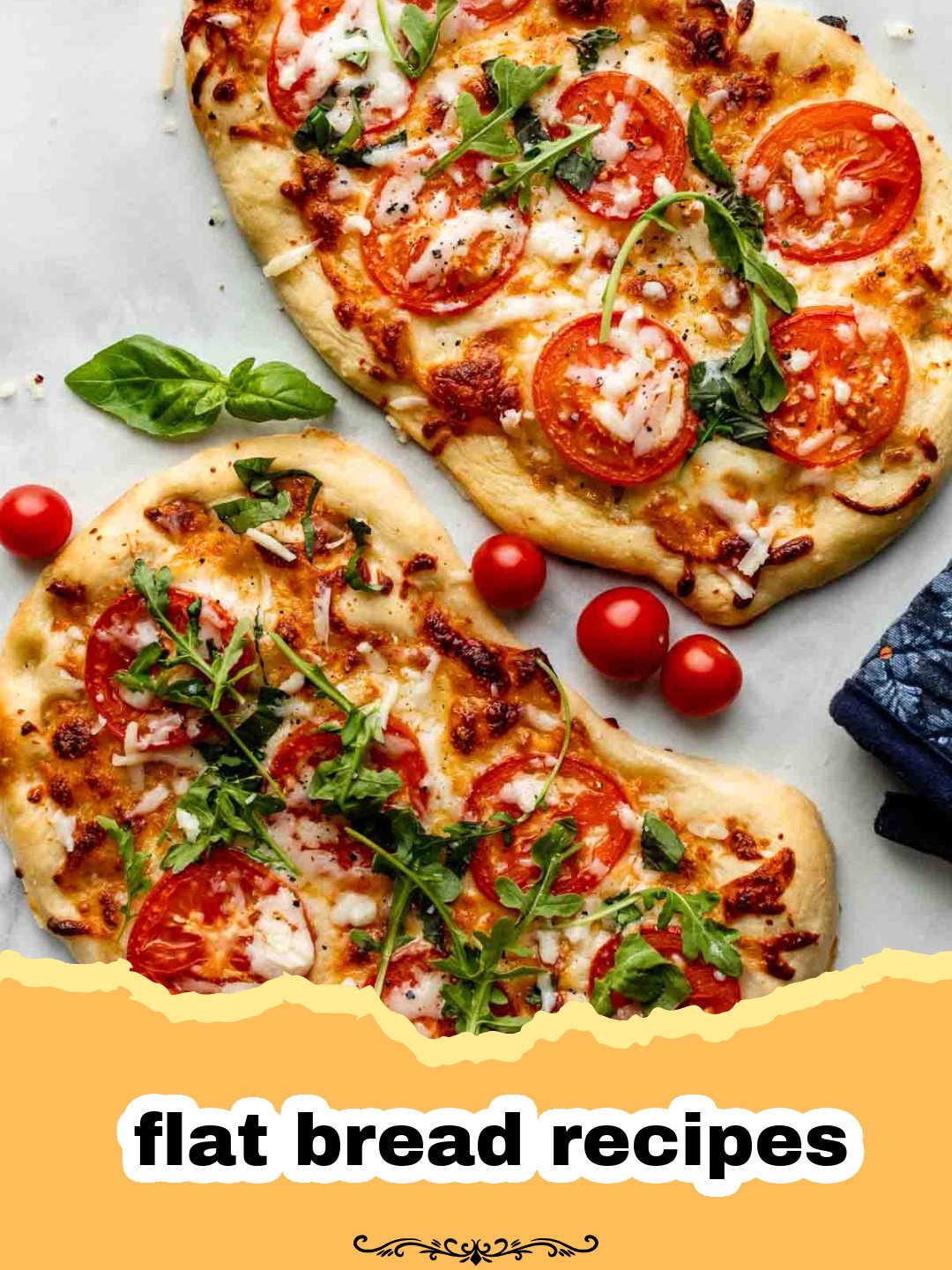
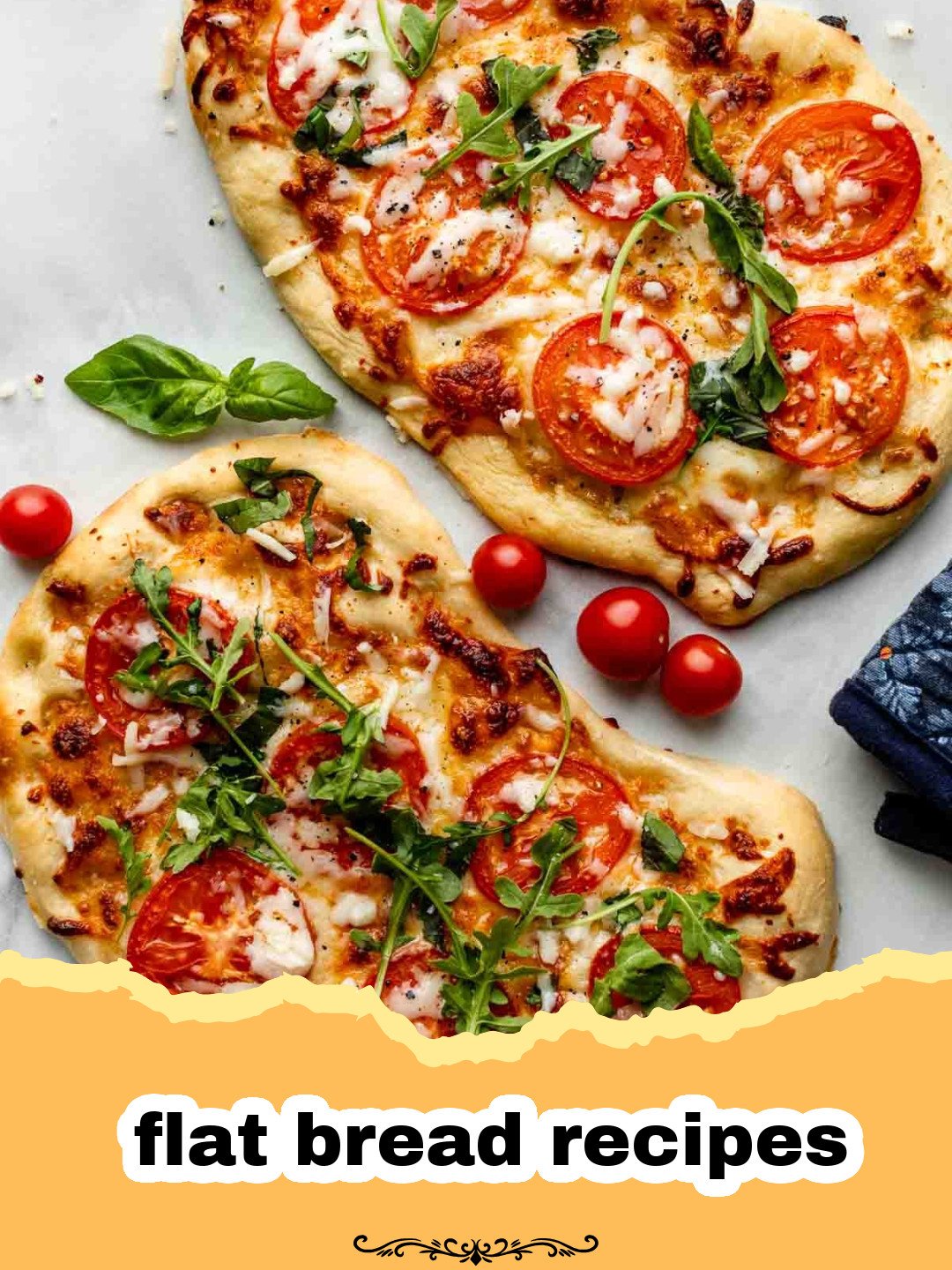
These flatbreads make an excellent base for quick and easy mini pizzas. Lightly toast the flatbreads in the pan for a minute or two, then spread with your favorite tomato sauce, sprinkle with cheese, and add your preferred toppings (pepperoni, mushrooms, peppers, etc.). Finish them under a hot broiler or in a preheated oven until the cheese is melted and bubbly. A perfect solution for a fun family meal using these adaptable flat bread recipes.
Pair with Dips & Spreads
The soft, pliable texture of these flatbreads makes them the ultimate vehicle for scooping up creamy dips. Think classic hummus, smoky baba ghanoush, refreshing tzatziki, or even a rich homemade garlic aioli. The flatbread soaks up the flavors beautifully, making every bite an experience.
Alongside Soups, Stews & Curries
For a comforting and hearty meal, serve warm flatbreads alongside your favorite lentil soup, a flavorful curry, or a robust chili. They are perfect for soaking up every last drop of delicious broth and sauce, adding a wonderful textural contrast to the meal. These flat bread recipes are a staple in many cuisines for a reason.
Fresh Salads
Don’t just think of flatbread as a heavy accompaniment. It can beautifully complement a vibrant, fresh salad. Imagine serving these with my Zesty Grapefruit & Avocado Salad, adding a satisfying carbohydrate component that balances the lightness of the greens and fruit. Tear them into pieces or serve whole.
Wraps & Sandwiches
These flat bread recipes are excellent for creating quick and delicious wraps or sandwiches. Fill them with grilled chicken, falafel, roasted vegetables, fresh greens, and a drizzle of your favorite sauce for a healthy and satisfying lunch or dinner on the go. The options are truly limitless!
Nutrition Information
Here’s a breakdown of the estimated nutrition information for one serving (one flatbread) of this recipe. Please note that these values are estimates and can vary based on specific ingredient brands and preparation methods. These flat bread recipes offer a relatively light and satisfying option.
| Nutrient | Amount Per Serving |
|---|---|
| Calories | 210 kcal |
| Carbohydrates | 38g |
| Cholesterol | 0mg |
| Fat | 4g |
| Fiber | 1g |
| Protein | 6g |
| Saturated Fat | 0.5g |
| Serving Size | 1 flatbread |
| Sodium | 290mg |
| Sugar | 1g |
| Trans Fat | 0g |
| Unsaturated Fat | 3.5g |
Storing these homemade beauties is simple. Once cooled, keep them in an airtight container at room temperature for up to 2-3 days, or freeze for longer storage. I love using my Basics Glass Food Storage containers for this; they keep them fresh and prevent them from getting stale, ensuring your efforts in making these flat bread recipes last!
Conclusion
And there you have it – truly amazing flat bread recipes that are simple, satisfying, and endlessly adaptable. I hope you give this recipe a try and discover the sheer joy of making your own fresh flatbreads at home. Whether you’re dipping, wrapping, or just enjoying them plain, these flatbreads are sure to become a staple in your kitchen. They truly unlock a world of culinary possibilities, proving that even the simplest ingredients can create something extraordinary. These flat bread recipes are not just about food; they’re about bringing warmth and flavor to your table with ease. Happy baking, and happy eating!
FAQs
What is the best flour for flatbread?
While many flat bread recipes use all-purpose flour for a tender result, you can substitute up to half of it with bread flour for a chewier texture. Whole wheat flour can also be used, but it might require a bit more liquid and result in a denser flatbread.
Can I make flatbread without yeast?
Yes, many flat bread recipes are unleavened and use baking powder or baking soda for a slight lift, or no leavening at all for a very dense flatbread. For this particular recipe, yeast is used to create a soft, bubbly texture, but a simpler version can be made with self-rising flour or by adding a teaspoon of baking powder to all-purpose flour and omitting the yeast and sugar.
How do I store leftover flatbread?
Once cooled completely, store leftover flatbreads in an airtight container or a resealable bag at room temperature for up to 2-3 days. For longer storage, you can freeze them for up to 2 months. Reheat gently in a dry skillet, microwave, or oven until warmed through.
What can I serve with flatbread?
Flatbreads are incredibly versatile! They can be served with dips like hummus or tzatziki, used as wraps for sandwiches or falafel, accompany curries, stews, or soups, or even act as a base for mini pizzas. Garlic herb butter is also a delicious topping.
Quick & Easy Homemade Flatbread
This recipe offers a simple yet incredibly versatile flatbread that’s perfect for dipping, wraps, pizzas, or alongside any meal. It’s a no-fuss recipe that delivers soft, chewy, and flavorful flatbread every time. Forget store-bought; these homemade flat bread recipes are a game-changer!
- Total Time: 25 minutes
- Yield: 8 flatbreads 1x
Ingredients
2 ¼ cups (270g) all-purpose flour, plus more for dusting
1 packet (2 ¼ teaspoons) active dry yeast
1 teaspoon granulated sugar
1 teaspoon salt
¾ cup (180ml) warm water (105-115°F / 40-46°C)
2 tablespoons olive oil, plus more for cooking
Instructions
Step 1: In a large bowl, combine the warm water, sugar, and yeast. Stir gently and let it sit for 5-10 minutes, or until the mixture becomes foamy. This indicates your yeast is active and ready to work its magic for these flat bread recipes.
Step 2: Add the olive oil, salt, and half of the flour to the yeast mixture. Mix with a wooden spoon until just combined. Gradually add the remaining flour, mixing until a shaggy dough forms.
Step 3: Turn the dough out onto a lightly floured surface. Knead for 5-7 minutes until the dough is smooth and elastic. It should be slightly tacky but not sticky. Avoid adding too much extra flour, as this can make your flatbread tough.
Step 4: Lightly oil the mixing bowl with a little olive oil. Place the dough in the bowl, turning it once to coat. Cover the bowl with plastic wrap or a clean kitchen towel and let it rest in a warm place for 15-20 minutes. This short rest allows the gluten to relax, making the dough easier to work with, a key for tender flat bread recipes.
Step 5: Divide the dough into 8 equal portions. On a lightly floured surface, roll each portion into a thin oval or circle, about 6-8 inches in diameter. Don’t worry about perfect shapes; rustic is part of the charm of homemade flat bread recipes!
Step 6: Heat a large cast-iron skillet or non-stick pan over medium-high heat. Once hot, add a very small amount of olive oil (about ½ teaspoon) and spread it around. Place one flatbread into the hot pan.
Step 7: Cook for 1-2 minutes per side, or until golden brown spots appear and the flatbread puffs up. You might see large bubbles forming, which is a good sign! Flip and cook the other side. Repeat with the remaining dough, adding a little oil to the pan as needed for each new flatbread.
Step 8: Transfer the cooked flatbreads to a plate and cover them with a clean kitchen towel to keep them warm and soft until serving. Enjoy these versatile flat bread recipes immediately with your favorite dips or toppings!
Notes
For best results, ensure your water is warm (not hot!) to properly activate the yeast. Don’t overwork the dough, and let it rest for the recommended time to ensure a tender and pliable flatbread. These flat bread recipes are best enjoyed fresh but store well for a few days.
- Prep Time: 15 minutes
- Cook Time: 10 minutes
- Category: Bread
- Cuisine: Mediterranean, Global
Nutrition
- Serving Size: 1 flatbread
- Calories: 210 kcal
- Sugar: 1g
- Sodium: 290mg
- Fat: 4g
- Saturated Fat: 0.5g
- Unsaturated Fat: 3.5g
- Trans Fat: 0g
- Carbohydrates: 38g
- Fiber: 1g
- Protein: 6g
- Cholesterol: 0mg
Keywords: flat bread recipes, homemade flatbread, easy bread recipe, no yeast flatbread, pizza crust alternative, quick bread, dipping bread, wrap recipe, simple flatbread