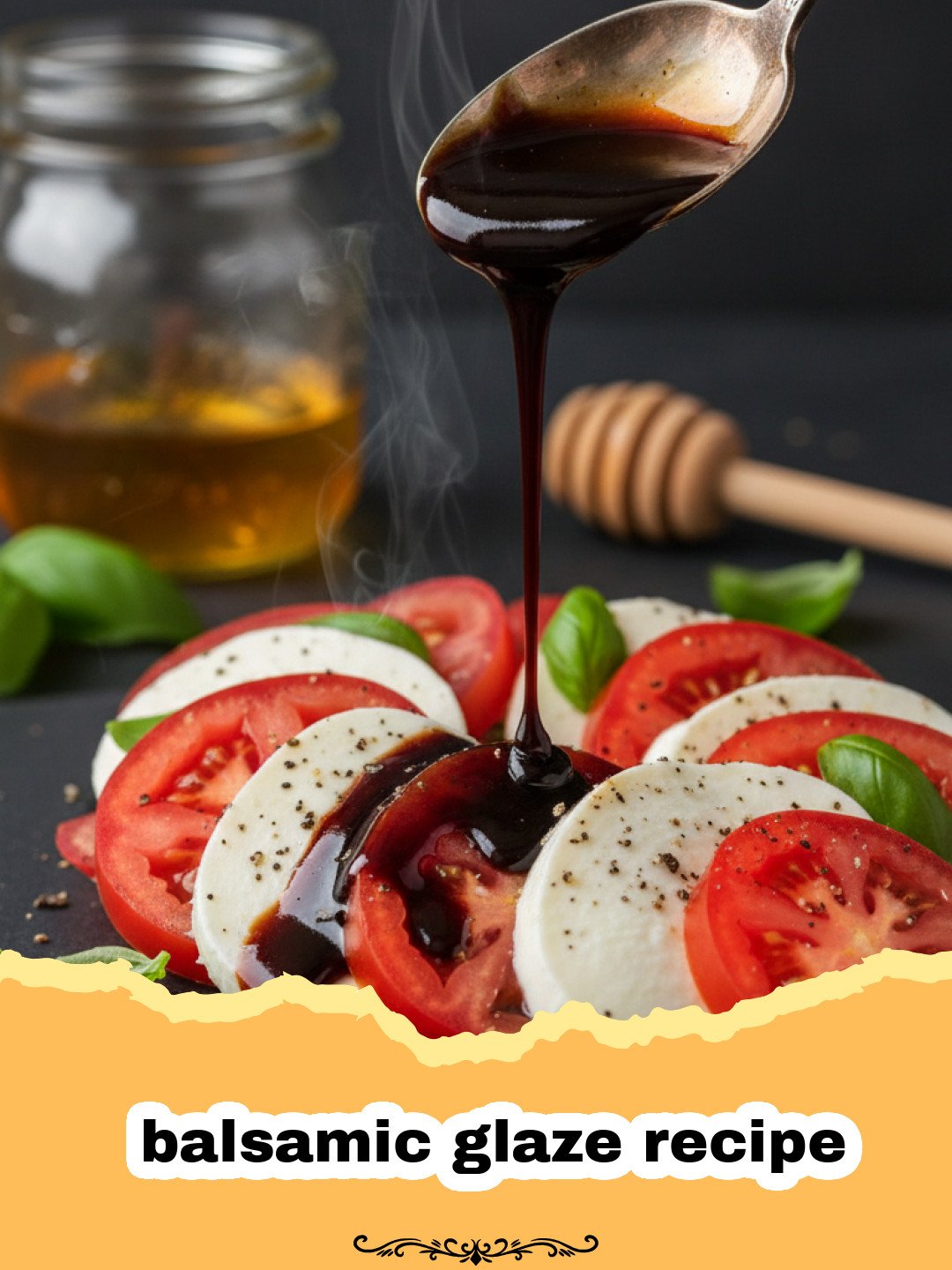
There are certain kitchen revelations that feel like unlocking a secret level in a game. For me, discovering how incredibly easy it was to make a truly exceptional balsamic glaze recipe at home was one of those moments. I remember years ago, dining at a quaint Italian trattoria. Every dish, from the simple Caprese salad to the grilled vegetables, was adorned with this glossy, dark, sweet-tangy drizzle. It elevated everything, adding a layer of sophistication and flavor that I just couldn’t replicate with plain balsamic vinegar. For the longest time, I assumed it was some highly guarded chef’s secret, requiring specialized equipment or years of culinary training. I even bought those small, expensive bottles of ‘balsamic glaze’ from the gourmet section of the supermarket, only to find they often tasted too sweet, too thin, or just not quite right. They were convenient, yes, but lacked the depth and homemade charm I craved.
Then, one afternoon, while flipping through an old cookbook, I stumbled upon a ridiculously simple method for making balsamic glaze. It was almost embarrassingly easy. Just two ingredients, simmered gently. My first attempt was tentative; I watched the bubbling liquid, skeptical that something so basic could yield such profound results. But as it cooled and thickened, transforming into that familiar, luscious consistency, I knew I had found my culinary holy grail. This homemade balsamic glaze recipe became an instant staple in my kitchen, revolutionizing weeknight meals and impressing guests with minimal effort. It taught me that often, the most impressive flavors come from the simplest preparations. If you’re looking to add a touch of gourmet magic to your cooking without the fuss, this balsamic glaze recipe is about to become your new best friend.
Why This Balsamic Glaze Recipe is a Must-Try
- Elevates Any Dish Instantly: A drizzle of this homemade balsamic glaze recipe can transform a simple salad, roasted vegetables, grilled meats, or even fresh fruit into a gourmet experience. Its sweet and tangy profile adds incredible depth.
- Incredibly Easy and Quick to Make: Forget expensive store-bought versions! This balsamic glaze recipe requires minimal ingredients and just a few minutes on the stovetop. It’s a kitchen hack you’ll wonder how you ever lived without.
- Cost-Effective and Fresh: Making your own balsamic glaze is far more economical than buying pre-made bottles, and you control the quality of the ingredients. You’ll taste the difference in this fresh balsamic glaze recipe.
- Customizable to Your Taste: Want it sweeter? More tart? Infused with herbs or spices? This basic balsamic glaze recipe is a fantastic canvas for experimentation, allowing you to tailor it perfectly to your palate.
Key Ingredient Notes
The beauty of this balsamic glaze recipe lies in its simplicity, but a few key considerations for your ingredients can make all the difference:
Balsamic Vinegar
This is the star of our balsamic glaze recipe, so choosing a good quality balsamic vinegar is important. You don’t need to splurge on an aged, traditional aceto balsamico (which is too precious and expensive for reduction anyway). A good quality, everyday balsamic vinegar from Modena or Reggio Emilia will work perfectly. Look for one that lists ‘grape must’ as a primary ingredient, indicating a richer, more complex flavor. Avoid vinegars with added caramel color or artificial thickeners if possible, as they can affect the final taste and consistency of your balsamic glaze recipe.
Sweetener (Optional, but Recommended)
While balsamic vinegar will naturally sweeten and thicken as it reduces, a touch of added sweetness helps balance the acidity and enhances the caramelization, giving your balsamic glaze recipe that perfect sticky-sweet finish. Brown sugar adds a lovely molasses note, honey offers a floral undertone, and maple syrup provides a rich, earthy sweetness. Choose what you prefer, or omit it if your balsamic vinegar is already quite sweet. This extra step helps achieve the perfect consistency for your homemade balsamic glaze recipe.
Flavor Boosters (Optional)
For an extra layer of complexity in your balsamic glaze recipe, consider adding a pinch of salt to brighten the flavors, or a sprig of fresh rosemary or a crushed garlic clove during simmering. These additions can infuse the glaze with aromatic notes that complement various dishes. Just remember to remove any solid aromatics before storing your finished balsamic glaze recipe.
Step-by-Step Guide with Pro Tips
Mastering this balsamic glaze recipe is incredibly straightforward, but a few tips will ensure perfect results every time.
The Perfect Balsamic Glaze Recipe
Step 1: Choose your pot. Select a heavy-bottomed, non-reactive saucepan (stainless steel is ideal). A wider pot will allow the vinegar to evaporate faster, speeding up the reduction process for this balsamic glaze recipe.
Step 2: Combine ingredients. Pour 2 cups of good quality balsamic vinegar into the saucepan. If you’re adding a sweetener, stir in 2 tablespoons of brown sugar (or honey/maple syrup) until dissolved. This will be the base of your delicious balsamic glaze recipe.
Step 3: Bring to a simmer. Place the saucepan over medium-high heat and bring the mixture to a gentle boil. Once boiling, reduce the heat to medium-low or low, maintaining a steady, gentle simmer. You’re not looking for a rapid boil, just enough heat for slow, consistent evaporation.
Step 4: Reduce patiently. Allow the balsamic vinegar to simmer uncovered, stirring occasionally, especially as it starts to thicken. This process can take anywhere from 15 to 30 minutes, depending on the width of your pan and the heat level. The liquid will gradually reduce by about half or even two-thirds, becoming syrupy. Don’t rush this part; patience is key to a perfect balsamic glaze recipe.
Pro Tip: How to know when it’s done: The glaze is ready when it coats the back of a spoon. Dip a spoon into the glaze, lift it out, and run your finger across the back of the spoon. If the line holds and doesn’t run, your glaze is perfectly reduced. Remember, it will thicken significantly more as it cools. If you cook it too long, it will become very sticky and hard once cool, so err on the side of slightly thinner rather than too thick.
Step 5: Cool and store. Once it reaches the desired consistency, remove the pan from the heat. The glaze will continue to thicken as it cools. Pour the cooled balsamic glaze into an airtight container. For optimal freshness and convenience, I highly recommend storing it in high-quality Basics Glass Food Storage containers. Store your homemade balsamic glaze recipe in the refrigerator for up to 2-3 weeks.
Variations & Serving Suggestions
Once you’ve mastered the basic balsamic glaze recipe, the possibilities are endless for customization and serving!
Flavor Variations for Your Balsamic Glaze Recipe:
- Herbal Infusion: Add a sprig of fresh rosemary, thyme, or a bay leaf to the balsamic vinegar during the simmering process. Remove the herbs before storing. This creates a fragrant balsamic glaze recipe perfect for savory dishes.
- Spicy Kick: Incorporate a pinch of red pepper flakes into the reduction for a subtle heat that pairs beautifully with roasted vegetables or pizza.
- Citrus Brightness: A strip of orange or lemon zest (removed before storing) can add a wonderful aromatic lift to your balsamic glaze recipe, especially good for fruit salads or desserts.
- Garlic or Shallot: Lightly sauté a minced garlic clove or shallot before adding the balsamic vinegar for a savory, aromatic glaze. Strain out the solids before storing.
How to Use Your Homemade Balsamic Glaze Recipe:
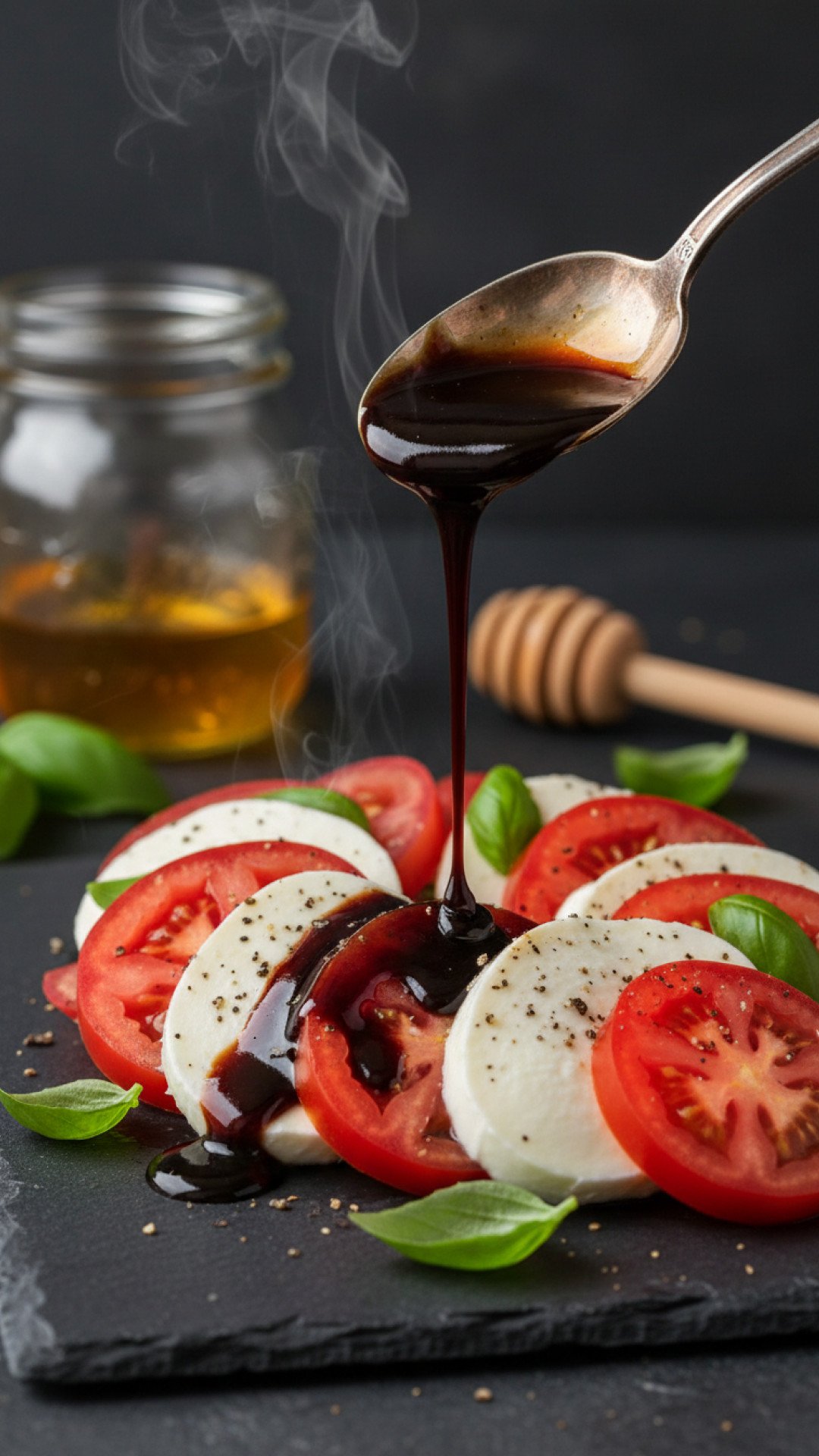
- Salads: Drizzle over mixed greens, Caprese salad (tomatoes, mozzarella, basil), or any salad needing a sweet-tangy punch.
- Appetizers: Fantastic on bruschetta, crostini, or paired with fresh mozzarella and proscuitto.
- Main Courses: Elevate grilled chicken, pork, or even a beautiful piece of Lemon Herb Grilled Salmon. It’s also amazing over roasted vegetables like Brussels sprouts, asparagus, or carrots.
- Cheese Boards: A must-have for any cheese platter, especially with aged cheeses like Parmesan or creamy goat cheese.
- Fruits & Desserts: Surprisingly delicious over fresh berries, sliced peaches, or even a scoop of vanilla ice cream. The sweetness of the balsamic glaze recipe complements fruit perfectly.
- Sandwiches & Wraps: Add a sophisticated touch to your everyday sandwiches or wraps.
This balsamic glaze recipe is truly one of the most versatile condiments you can have on hand. It pairs wonderfully with other homemade delights, such as a fresh batch of The Secret to the World’s Best Homemade Basil Pesto.
Nutrition Information
Here’s a general nutritional breakdown for a serving of this delicious balsamic glaze recipe. Please note that these are estimates and can vary based on specific ingredient brands and preparation methods.
| Nutrient | Amount per Serving |
|---|---|
| Calories | 55 kcal |
| Carbohydrate Content | 13 g |
| Cholesterol Content | 0 mg |
| Fat Content | 0 g |
| Fiber Content | 0 g |
| Protein Content | 0 g |
| Saturated Fat Content | 0 g |
| Serving Size | 1 tablespoon (15ml) |
| Sodium Content | 5 mg |
| Sugar Content | 12 g |
| Trans Fat Content | 0 g |
| Unsaturated Fat Content | 0 g |
Conclusion
Making your own balsamic glaze is a simple step that yields incredibly flavorful results, transforming ordinary meals into extraordinary culinary experiences. This balsamic glaze recipe is not just a condiment; it’s a versatile tool that adds elegance and depth to countless dishes. From the first pour over a simple salad to its role in elevating a gourmet main course, you’ll find endless ways to enjoy this sweet, tangy, and rich reduction. So, grab a bottle of balsamic vinegar, set aside a few minutes, and prepare to impress yourself and your loved ones with this effortlessly chic balsamic glaze recipe. Happy cooking!
FAQs
What is balsamic glaze?
Balsamic glaze, also known as balsamic reduction, is a thick, syrupy condiment made by simmering balsamic vinegar until it reduces and thickens. This process concentrates its flavors, making it sweeter and less acidic than regular balsamic vinegar, with a beautiful glossy sheen. It’s an easy balsamic glaze recipe to master.
How long does homemade balsamic glaze last?
When stored in an airtight container in the refrigerator, homemade balsamic glaze typically lasts for 2 to 3 weeks. The high acidity of the vinegar helps preserve it, making this balsamic glaze recipe a great make-ahead condiment.
Can I make balsamic glaze without adding sugar?
Yes, you can absolutely make balsamic glaze without added sugar. The balsamic vinegar will naturally sweeten as it reduces and its sugars caramelize. Adding a sweetener like brown sugar or honey simply enhances the sweetness and helps achieve a slightly thicker, glossier finish. The core balsamic glaze recipe works well either way.
What are some popular ways to use balsamic glaze?
Balsamic glaze is incredibly versatile! It’s fantastic drizzled over Caprese salads, roasted vegetables (like Brussels sprouts or asparagus), grilled chicken or fish, fresh fruits (strawberries, peaches), and even cheese boards. It adds a gourmet touch to almost any savory or sweet dish, making this balsamic glaze recipe a culinary powerhouse.
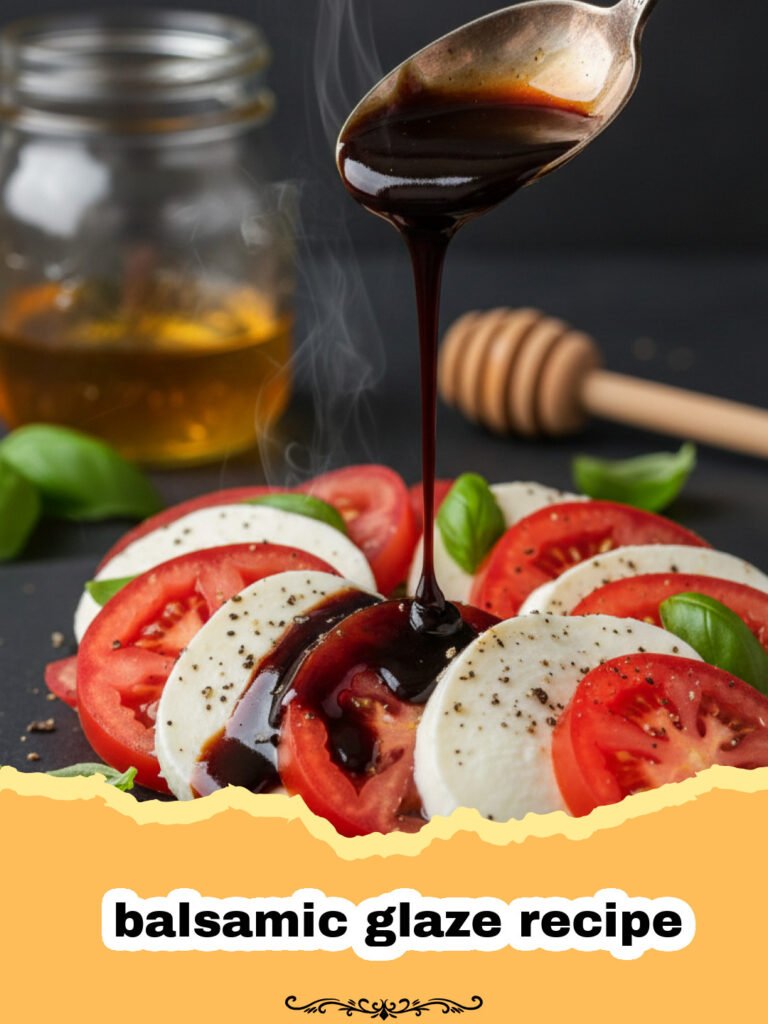
Easy Homemade Balsamic Glaze
Unlock gourmet flavor at home with this incredibly simple and versatile homemade balsamic glaze recipe. Perfect for drizzling over salads, roasted vegetables, meats, and even fruits, it’s a sweet and tangy reduction that elevates any dish.
- Total Time: 25 minutes
- Yield: 1 cup 1x
Ingredients
2 cups good quality balsamic vinegar
2 tablespoons brown sugar (optional, or honey/maple syrup)
Optional: 1 sprig fresh rosemary or thyme, or a pinch of red pepper flakes
Instructions
Step 1: In a heavy-bottomed, non-reactive saucepan, combine the balsamic vinegar and brown sugar (if using). Stir well until the sugar is dissolved.
Step 2: Place the saucepan over medium-high heat and bring the mixture to a gentle boil. If adding optional herbs or spices, add them now.
Step 3: Once boiling, reduce the heat to medium-low or low, maintaining a steady, gentle simmer. Allow the mixture to reduce by about half to two-thirds, stirring occasionally.
Step 4: Continue simmering for 15-25 minutes, or until the glaze thickens enough to coat the back of a spoon. Remember, it will thicken considerably more as it cools. Remove any herbs or spices.
Step 5: Remove the pan from the heat and let the balsamic glaze cool completely. As it cools, it will reach its final desired consistency. Pour into an airtight container and store in the refrigerator for up to 2-3 weeks.
Notes
The thickness of the glaze is a matter of personal preference. For a thinner drizzle, reduce less; for a thicker, syrupy glaze, reduce more. Always cool completely to assess final consistency. If it becomes too thick after cooling, gently warm it with a teaspoon of water or balsamic vinegar to thin it out.
- Prep Time: 5 minutes
- Cook Time: 20 minutes
- Category: Cooking Hacks & Techniques
- Cuisine: Italian
Nutrition
- Serving Size: 1 tablespoon (15ml)
- Calories: 55 kcal
- Sugar: 12 g
- Sodium: 5 mg
- Fat: 0 g
- Saturated Fat: 0 g
- Unsaturated Fat: 0 g
- Trans Fat: 0 g
- Carbohydrates: 13 g
- Fiber: 0 g
- Protein: 0 g
- Cholesterol: 0 mg
Keywords: balsamic glaze, balsamic reduction, homemade glaze, easy recipe, condiment, Italian cooking, cooking hack, sweet and tangy, dressing