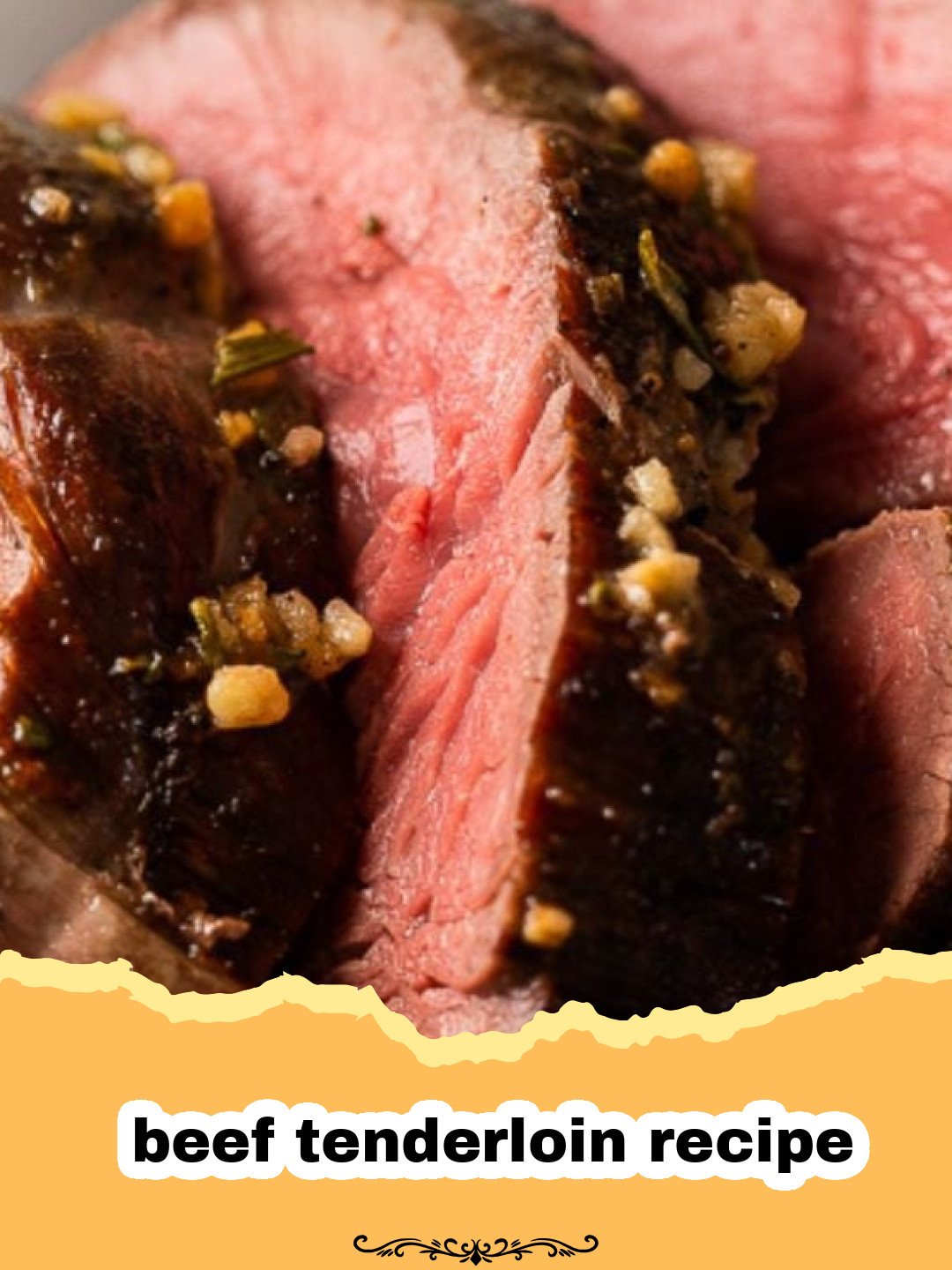
There are some culinary achievements that feel like scaling Everest, and for a long time, preparing a perfect beef tenderloin recipe was mine. I remember my first attempt years ago, hosting a small, intimate dinner for my in-laws. I wanted to impress them, to show them I wasn’t just good at baking cookies, but could tackle a showstopper main course. The thought of ruining such a beautiful, expensive cut of meat filled me with dread. Visions of an overcooked, dry roast haunted my dreams! But with a deep breath, a reliable meat thermometer, and a whole lot of faith, I embarked on the journey. The result? A perfectly seared, juicy, and tender roast that melted in their mouths. The relief, the pride, the sheer joy – it was a moment I’ll never forget. This experience taught me that with the right guidance, even the most intimidating dishes can become triumphs. And today, I’m sharing that very same foolproof method with you, so you can achieve that same culinary victory with your next beef tenderloin recipe.
Why This Beef Tenderloin Recipe is a Must-Try
Effortlessly Elegant:
This beef tenderloin recipe delivers a sophisticated, restaurant-quality meal without requiring complicated techniques. It’s perfect for making a grand statement at holidays or special gatherings.Unmatched Tenderness & Flavor:
When prepared correctly, beef tenderloin is incredibly tender, almost melting in your mouth. Our method ensures a beautiful sear that locks in juices and develops a rich, savory crust, while the oven roast brings it to perfect doneness.Foolproof Method for Success:
We break down the process into easy, actionable steps, complete with pro tips, making this beef tenderloin recipe approachable even for those new to cooking roasts. A meat thermometer is your best friend here!Versatile Serving Options:
While spectacular on its own, this beef tenderloin recipe pairs wonderfully with a myriad of sides and sauces, allowing you to customize your meal for any occasion.
Key Ingredient Notes for Your Beef Tenderloin Recipe
The success of any beef tenderloin recipe hinges on a few crucial elements. Let’s talk about what makes this recipe shine.
The Beef Tenderloin Itself
Firstly, choose a high-quality center-cut beef tenderloin, also known as fillet mignon when cut into steaks. Look for a piece that is a uniform thickness if possible, or one that can be easily trimmed and tied to ensure even cooking. Opt for USDA Prime or Choice grade for the best flavor and marbling. A well-trimmed tenderloin will save you time and ensure a cleaner presentation. Don’t be afraid to ask your butcher to trim it for you if you’re unsure. Bringing the tenderloin to room temperature before cooking is also vital for even heat distribution.
Fresh Herbs
Fresh rosemary and thyme are non-negotiable for this beef tenderloin recipe. Their aromatic qualities infuse the meat with a delicate, earthy fragrance that elevates the entire dish. Dried herbs simply won’t provide the same vibrant flavor. Gently crushing them or rough chopping helps release their essential oils, creating a more potent infusion during the searing process.
High-Quality Fats
A combination of olive oil for searing and unsalted butter for basting is key. The olive oil provides a high smoke point for that perfect crust, while the butter adds a luxurious richness and helps the herbs adhere to the tenderloin, creating an incredible aroma as it roasts. Don’t skimp on good quality butter; it truly makes a difference in the final flavor of your beef tenderloin recipe.
Step-by-Step Guide with Pro Tips for Your Beef Tenderloin Recipe
Mastering this beef tenderloin recipe is easier than you think. Follow these steps for perfection.
Step 1: Prepare Your Tenderloin. Remove the beef tenderloin from the refrigerator at least 1-2 hours before cooking to allow it to come to room temperature. This promotes even cooking. Pat the tenderloin very dry with paper towels; moisture on the surface prevents a good sear. Trim any silver skin and excess fat. If your tenderloin is uneven in thickness, you can tuck the thinner tail end under and tie it with kitchen twine to create a more uniform cylinder, ensuring even cooking for your beef tenderloin recipe.Step 2: Season Generously. Rub the entire tenderloin with a good quality olive oil. Season liberally and evenly with coarse salt and freshly ground black pepper. Don’t be shy with the seasoning – it forms a crucial crust. Press fresh rosemary and thyme sprigs onto the surface of the tenderloin, ensuring they stick to the oiled surface. This step is critical for flavor development in this beef tenderloin recipe.
Step 3: Sear for a Perfect Crust. Preheat a heavy-bottomed, oven-safe skillet (cast iron works beautifully) over medium-high heat until it’s smoking hot. Add a tablespoon of olive oil. Carefully place the seasoned tenderloin in the hot skillet. Sear on all sides, turning every 2-3 minutes, until a deep golden-brown crust forms all around. This searing process should take about 8-10 minutes total and is essential for locking in juices and flavor for your beef tenderloin recipe. Remove the skillet from the heat.
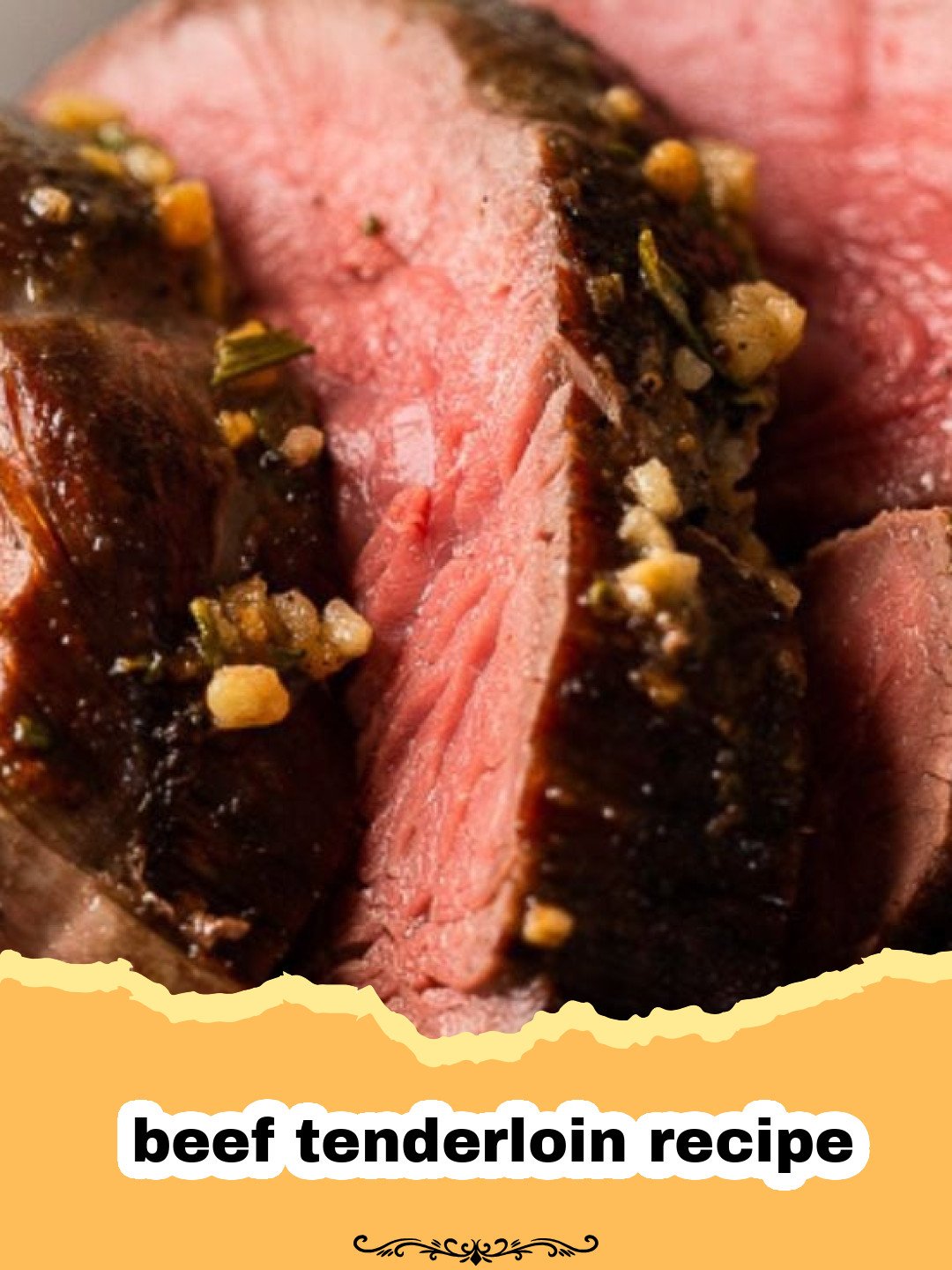
Step 4: Roast to Perfection. Add 2-3 tablespoons of unsalted butter to the skillet, along with any additional fresh herb sprigs if desired. Baste the tenderloin with the melted butter and herbs. Transfer the skillet to a preheated oven at 400°F (200°C). Roast until your desired internal temperature is reached. Use a meat thermometer inserted into the thickest part of the tenderloin. For rare, aim for 120-125°F (49-52°C); medium-rare, 125-130°F (52-54°C); medium, 130-135°F (54-57°C). Cooking time will vary based on the size of your tenderloin and your oven, typically 20-35 minutes. This is the heart of the beef tenderloin recipe, ensuring tender results.
Step 5: Rest and Serve. This is arguably the most crucial step for any roast, especially a delicate beef tenderloin recipe! Once the tenderloin reaches your desired internal temperature, remove the skillet from the oven and transfer the tenderloin to a cutting board. Tent it loosely with foil and let it rest for at least 10-15 minutes. This allows the juices to redistribute throughout the meat, ensuring a tender and moist result. Do not skip this step! After resting, remove the twine and slice the tenderloin into thick medallions against the grain. Serve immediately.
Variations & Serving Suggestions for Your Beef Tenderloin Recipe
Sauce Pairings
Elevate your beef tenderloin recipe with a complementary sauce. A classic red wine reduction or a rich béarnaise sauce would be exquisite. For something simpler, a creamy horseradish sauce offers a delightful kick that beautifully cuts through the richness of the beef. If you’re feeling adventurous, consider making your own homemade au jus from the pan drippings for an extra layer of savory goodness.
Crusted Variations
For an added layer of flavor and texture, try a crust! Before searing, roll the seasoned tenderloin in crushed black peppercorns for a classic peppercorn crust, or a mixture of finely chopped herbs and garlic. You could even wrap the tenderloin in strips of bacon before searing and roasting for a smoky, decadent twist on this beef tenderloin recipe.
Side Dishes
The beauty of this elegant beef tenderloin recipe is its versatility with sides. Classic choices include creamy mashed potatoes, roasted asparagus, or glazed carrots. For a truly traditional British feast, consider serving your beef tenderloin with fluffy Yorkshire puddings, perfect for soaking up any delicious juices. A simple green salad with a vinaigrette also provides a refreshing contrast.
Don’t forget that any delicious leftovers from your beef tenderloin recipe can be stored in quality Basics Glass Food Storage containers in the refrigerator for up to 3-4 days. Perfect for elegant sandwiches or salads!
Nutrition Information
We’ve provided estimated nutrition information for this beef tenderloin recipe, based on a serving size of approximately 4 ounces (113g) of cooked beef tenderloin, without additional sauces or rich side dishes.
| Nutrient | Amount Per Serving |
|---|---|
| Calories | 350 kcal |
| Carbohydrate Content | 1g |
| Cholesterol Content | 95mg |
| Fat Content | 25g |
| Fiber Content | 0g |
| Protein Content | 30g |
| Saturated Fat Content | 10g |
| Serving Size | 4 oz (113g) |
| Sodium Content | 70mg |
| Sugar Content | 0g |
| Trans Fat Content | 1g |
| Unsaturated Fat Content | 13g |
Conclusion
There you have it – the ultimate guide to creating a show-stopping beef tenderloin recipe that will impress without overwhelming you. From searing to resting, each step is designed to ensure a perfectly tender, incredibly flavorful roast every single time. This dish isn’t just a meal; it’s an experience, a centerpiece that transforms any dinner into a special occasion. So go ahead, confidently tackle this beef tenderloin recipe, and prepare to be showered with compliments. Happy cooking!
FAQs
What is the best way to ensure my beef tenderloin recipe is tender and juicy?
The key to a tender and juicy beef tenderloin recipe is to not overcook it and to allow it to rest properly after cooking. Use a meat thermometer to pull the tenderloin from the oven when it reaches your desired internal temperature (e.g., 125-130u00b0F for medium-rare), as it will continue to cook a few degrees while resting. Always rest the roast, tented with foil, for at least 10-15 minutes before slicing to allow the juices to redistribute.
How long should I sear the beef tenderloin before roasting?
For this beef tenderloin recipe, you should sear the tenderloin on all sides for about 8-10 minutes total. This involves turning it every 2-3 minutes to achieve a deep golden-brown crust all around. The high heat searing locks in flavor and creates a beautiful exterior texture before the roasting process.
Can I prepare parts of this beef tenderloin recipe ahead of time?
Yes, you can prepare some elements of this beef tenderloin recipe in advance. You can trim and season the tenderloin up to a few hours before cooking and keep it refrigerated. However, it’s crucial to let it come to room temperature for 1-2 hours before searing and roasting for the best results. The actual searing and roasting steps are best done just before serving.
What is the ideal internal temperature for medium-rare beef tenderloin?
For a perfect medium-rare beef tenderloin, aim for an internal temperature of 125-130u00b0F (52-54u00b0C) when you remove it from the oven. Remember that the temperature will rise an additional 5-10 degrees during the resting period, bringing it to a beautiful, juicy medium-rare.

Pan-Seared, Oven-Roasted Beef Tenderloin
A foolproof guide to creating a perfectly seared and roasted beef tenderloin, tender and juicy, ideal for holidays and special occasions.
- Total Time: 50 minutes
- Yield: 6–8 servings 1x
Ingredients
1 (2-3 pound) beef tenderloin, center-cut, trimmed
2 tbsp olive oil, divided
2 tsp coarse sea salt
1 tsp freshly ground black pepper
4–6 sprigs fresh rosemary
4–6 sprigs fresh thyme
3 tbsp unsalted butter
Instructions
Step 1: Prepare Your Tenderloin. Remove the beef tenderloin from the refrigerator at least 1-2 hours before cooking to allow it to come to room temperature. Pat the tenderloin very dry with paper towels. Trim any silver skin and excess fat. If necessary, tuck the thinner tail end under and tie with kitchen twine to create a uniform cylinder.
Step 2: Season Generously. Rub the entire tenderloin with 1 tablespoon of olive oil. Season liberally and evenly with coarse salt and freshly ground black pepper. Press fresh rosemary and thyme sprigs onto the surface of the tenderloin.
Step 3: Sear for a Perfect Crust. Preheat a heavy-bottomed, oven-safe skillet (cast iron recommended) over medium-high heat until it’s smoking hot. Add the remaining 1 tablespoon of olive oil. Carefully place the seasoned tenderloin in the hot skillet. Sear on all sides, turning every 2-3 minutes, until a deep golden-brown crust forms all around (about 8-10 minutes total). Remove the skillet from the heat.
Step 4: Roast to Perfection. Add the unsalted butter to the skillet, along with any additional fresh herb sprigs. Baste the tenderloin with the melted butter and herbs. Transfer the skillet to a preheated oven at 400°F (200°C). Roast until your desired internal temperature is reached (120-125°F for rare, 125-130°F for medium-rare, 130-135°F for medium). This typically takes 20-35 minutes, depending on size and desired doneness. Use a meat thermometer.
Step 5: Rest and Serve. Once the tenderloin reaches your desired internal temperature, remove the skillet from the oven and transfer the tenderloin to a cutting board. Tent it loosely with foil and let it rest for at least 10-15 minutes. This allows the juices to redistribute, ensuring a tender and moist result. Remove the twine and slice the tenderloin into thick medallions against the grain. Serve immediately.
Notes
Always use a meat thermometer for precise doneness. Resting the meat is crucial for juiciness. Adjust cooking times based on your oven and the exact size/shape of your tenderloin.
- Prep Time: 20 minutes
- Cook Time: 30 minutes
- Category: Main Course
- Cuisine: American
Keywords: beef tenderloin recipe, roast beef, tenderloin, holiday roast, special occasion beef, pan seared, oven roasted, beef fillet