There’s a story behind every beloved kitchen staple, and for me, the journey to perfecting this basil salt recipe began with an overflowing herb garden. Summer in my backyard always means a riot of green – tomatoes ripening on the vine, peppers bursting with color, and, most gloriously, basil plants threatening to take over the entire plot. I love basil in everything from pesto to Caprese salads, but there’s a limit to how much fresh basil one family can consume, even mine! I used to watch, a little sadly, as those vibrant green leaves started to yellow and wilt as autumn approached. It felt like a culinary crime to let such fragrant abundance go to waste. One year, driven by a desire to preserve that fleeting summer essence, I started experimenting. I tried freezing basil, drying it in a dehydrator, but nothing quite captured the fresh, peppery aroma I adored. Then, a friend mentioned an old Italian trick: herb salts. The idea of a basil salt recipe immediately intrigued me. What if I could infuse salt with that unmistakable, vibrant basil flavor, creating a pantry staple that would transport me back to a sunny August day, even in the depths of winter? This simple, yet transformative, process has since become a cherished annual ritual, allowing me to enjoy the taste of summer long after the season has passed.
This homemade basil salt recipe isn’t just about preservation; it’s about elevating your everyday cooking with an explosion of fresh, aromatic flavor. Imagine sprinkling it on eggs, jazzing up roasted vegetables, or adding a sophisticated touch to a simple piece of toast. It’s a secret weapon in my kitchen, and once you try it, I guarantee it will become one in yours too. The beauty of this recipe lies in its simplicity, requiring minimal effort for maximum impact. You don’t need any fancy equipment, just fresh basil, good quality salt, and a little patience. The result is a gorgeous, fragrant salt that not only tastes incredible but also makes a beautiful, thoughtful gift for fellow food lovers. So, let’s dive into how you can bring this little jar of summer magic into your home and infuse your dishes with the irresistible essence of fresh basil, any time of the year. This truly is the ultimate basil salt recipe for flavor and freshness.
Why This Recipe is a Must-Try
- Unleash Concentrated Flavor: This basil salt recipe captures the intense, aromatic essence of fresh basil in a concentrated form, meaning a little goes a long way to infuse dishes with bright, herbaceous notes.
- Effortless Preservation: Say goodbye to wasted basil! This method is a brilliant way to preserve your summer harvest, ensuring you have that fresh basil flavor available long after the growing season has ended. It’s a culinary hack that extends the life of your favorite herb.
- Versatile Culinary Enhancer: From eggs and roasted vegetables to grilled meats, pasta, and even popcorn, homemade basil salt elevates almost any savory dish. It’s a secret weapon for adding gourmet flair with minimal effort. This basil salt recipe is incredibly adaptable.
- Perfect Homemade Gift: Beautifully packaged basil salt makes a thoughtful, personalized gift for friends, family, and fellow food enthusiasts. It’s a unique present that showcases homemade goodness and culinary creativity.
Key Ingredient Notes
Fresh Basil
The star of our show! The quality of your fresh basil directly impacts the flavor of your basil salt. Aim for vibrant, deeply green leaves free from blemishes or wilting. Sweet basil varieties, like Genovese or Nufar, are excellent choices due to their classic, robust flavor. However, don’t be afraid to experiment with other types like Thai basil for a more anise-like note, or even lemon basil for a brighter, citrusy twist. Whichever you choose, ensure it’s thoroughly washed and, most importantly, completely dry before processing. Excess moisture is the enemy of shelf-stable salt, so pat those leaves dry with a clean kitchen towel or use a salad spinner until not a single drop remains. This attention to detail with your fresh basil is crucial for the success of your basil salt recipe.
Good Quality Salt
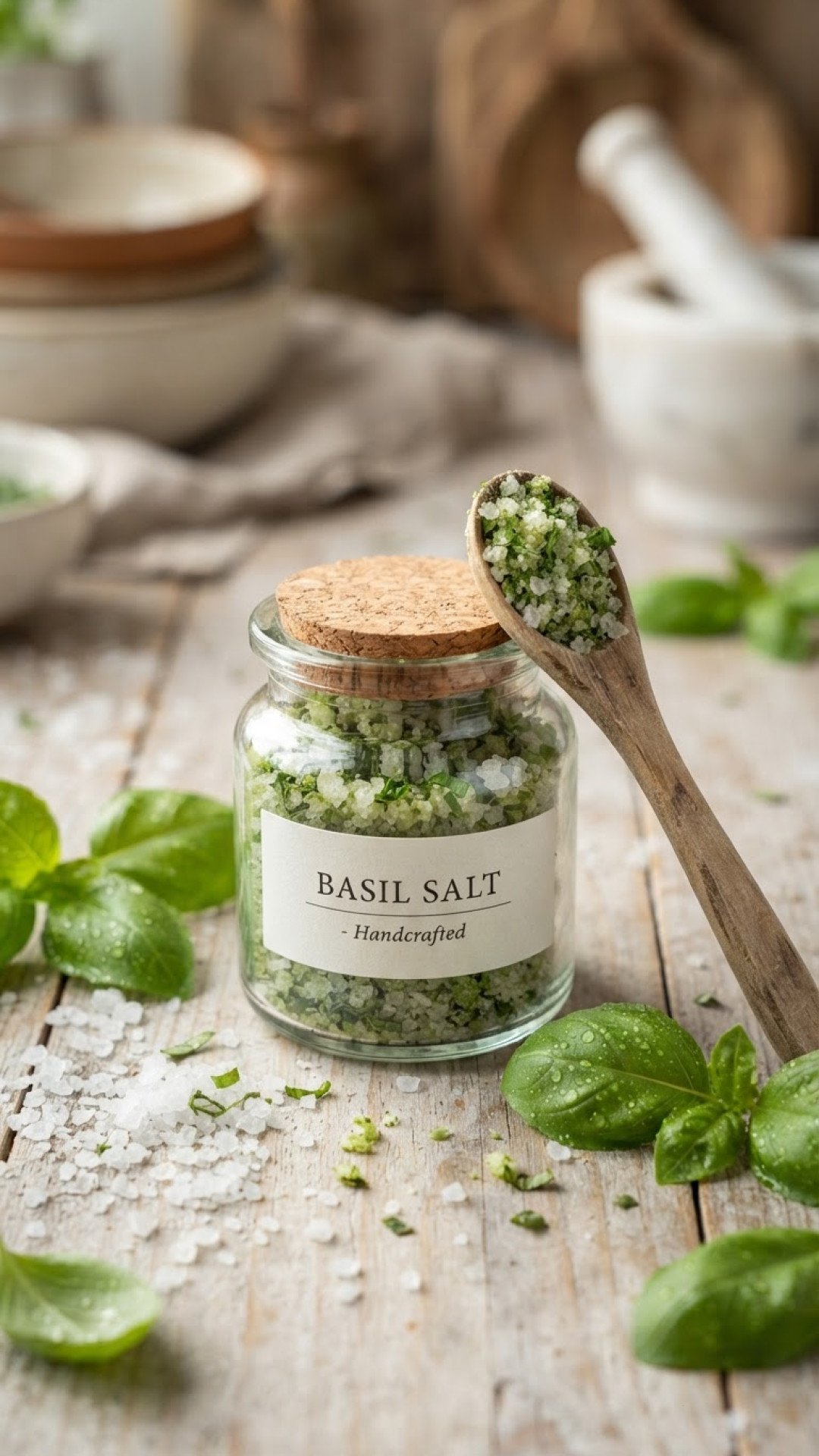
While any salt will technically work, using a good quality salt truly makes a difference in the final product. I prefer using a flaky sea salt or a coarse kosher salt. Flaky sea salt, like Maldon, offers a lovely texture and a clean, briny flavor that complements the basil beautifully. Coarse kosher salt is also excellent, as its larger crystals help absorb the basil’s essential oils more effectively and prevent clumping. Avoid iodized table salt, as it can sometimes impart a slightly metallic taste and contains anti-caking agents that aren’t ideal for this kind of infusion. The larger grain of the salt also helps to draw out the moisture from the basil, which is a key step in creating a long-lasting and intensely flavored basil salt recipe. Don’t skimp on the salt quality; it’s the other half of this flavorful equation.
Step-by-Step Guide with Pro Tips
Preparation: Getting Your Basil Ready
The journey to the perfect basil salt recipe begins with proper preparation. Start by carefully plucking the basil leaves from their stems. Discard any yellowed, bruised, or damaged leaves. Next, give them a thorough wash under cool running water to remove any dirt, insects, or residues. This step is critical. Once washed, spread the basil leaves out on clean kitchen towels or paper towels. Gently pat them dry. The key word here is *dry* – completely, absolutely dry. Any residual moisture will cause your basil salt to clump and potentially spoil over time. You can even let them air dry for an hour or two on the counter or use a salad spinner for extra efficiency. This meticulous drying ensures a shelf-stable and beautifully fragrant basil salt recipe.
Blending: Infusing the Salt
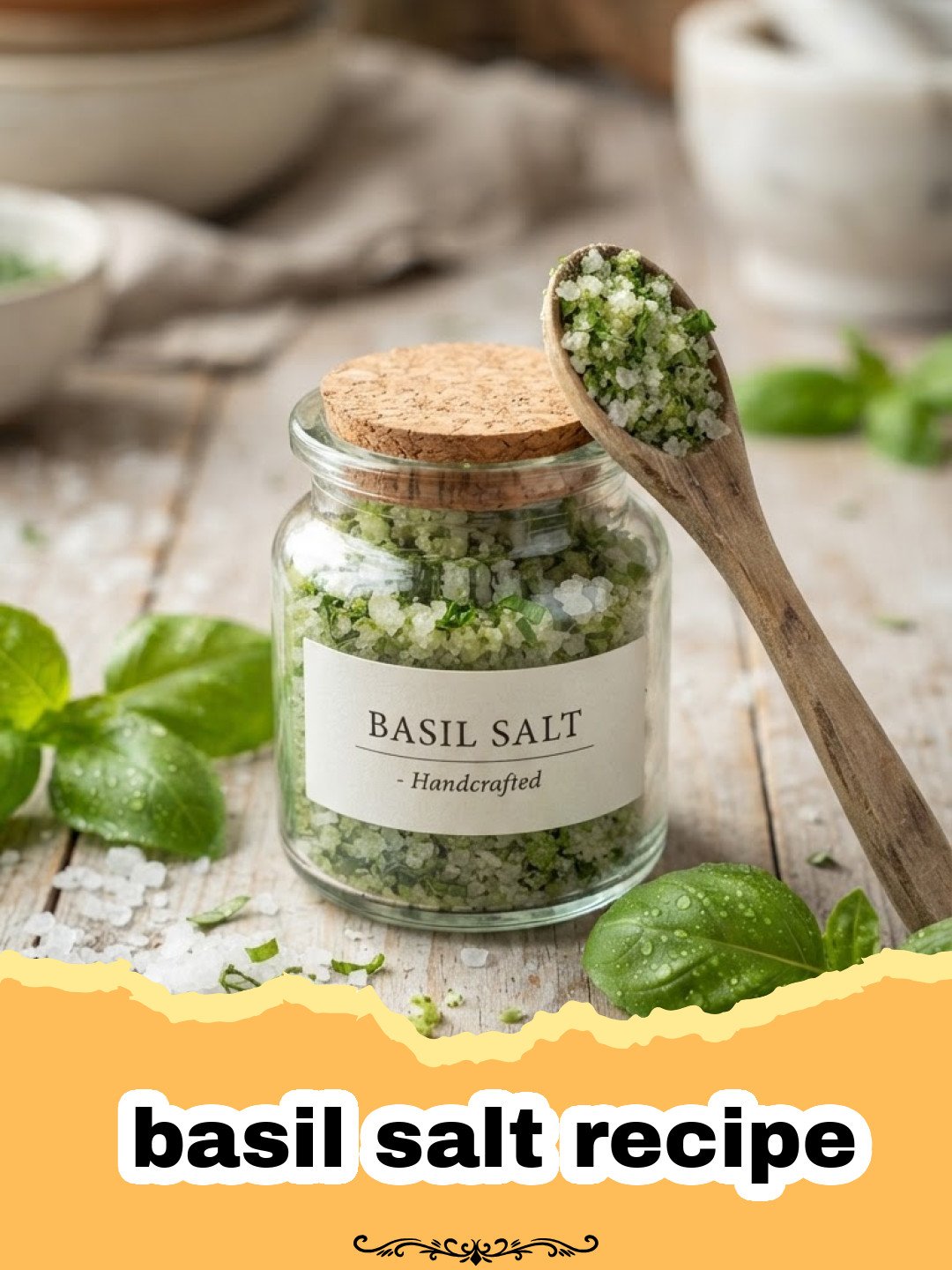
Now for the fun part: infusing the salt with that glorious basil flavor. Step 1: In the bowl of a food processor, combine your thoroughly dried basil leaves with the coarse salt. Don’t overload the processor; it’s better to work in batches if you have a large amount of basil. Step 2: Pulse the mixture repeatedly until the basil is very finely chopped and evenly distributed throughout the salt. The salt should take on a beautiful pale green hue, and your kitchen will fill with an incredible aroma. Be careful not to over-process to the point of creating a paste; you want a fine, crumbly texture, not a wet sludge. The salt acts as an abrasive, breaking down the basil leaves and absorbing their aromatic oils. This stage is where the magic of the basil salt recipe truly happens.
Drying: Ensuring Longevity
This is arguably the most crucial step for the longevity and quality of your basil salt. Step 3: Spread the basil-salt mixture thinly and evenly on a baking sheet lined with parchment paper. The thinner the layer, the faster and more evenly it will dry. Step 4: Allow the mixture to air dry at room temperature for 24 to 48 hours, or even up to 72 hours, depending on the humidity in your environment. Stir it occasionally (every 6-8 hours) with a fork to break up any clumps and expose all sides to the air, promoting even drying. You’ll know it’s ready when the mixture is completely dry, crumbly, and no longer feels damp to the touch. The color may deepen slightly, but the vibrant basil aroma should still be prominent. Alternatively, for a quicker method, you can dry it in a very low oven (around 150-175°F / 65-80°C) for 1-2 hours, stirring every 30 minutes, until dry. Just be vigilant not to cook or brown the basil. This drying process is essential for a stable basil salt recipe.
Storage: Keeping it Fresh
Once your basil salt is thoroughly dry, it’s time for proper storage to maintain its freshness and potency. Step 5: Transfer the completely dried basil salt to airtight containers. Small jars, spice bottles, or even sealed bags work perfectly. I often use Basics Glass Food Storage containers because they’re airtight and allow me to see the beautiful green hue. Store the containers in a cool, dark place, away from direct sunlight and heat, such as a pantry or cupboard. When stored correctly, your homemade basil salt can last for several months, typically up to 6 months, retaining its wonderful flavor and aroma. Avoid storing it in the refrigerator, as condensation can introduce moisture and reduce its shelf life. A well-stored basil salt recipe will be a joy to use throughout the year.
Variations & Serving Suggestions
Creative Variations to Your Basil Salt Recipe
While the classic basil salt recipe is fantastic on its own, it also serves as a wonderful canvas for culinary experimentation. Don’t be afraid to get creative! For a citrusy brightness, add the zest of one organic lemon or lime to the food processor along with the basil and salt. This ‘Lemon Basil Salt’ is particularly excellent on fish, chicken, or roasted vegetables. If you’re a garlic lover, incorporate a teaspoon of dried garlic granules (not fresh garlic, due to moisture issues) for a ‘Garlic Basil Salt’ that’s perfect for pasta dishes or bruschetta. For a touch of heat, a pinch of dried red pepper flakes can be added for a ‘Spicy Basil Salt,’ which would be phenomenal on pizza or eggs. You can also blend other dried herbs with your basil, such as oregano, parsley, or even a touch of thyme, to create unique herbal salt blends that complement the basil’s flavor profile. The possibilities for adapting this basil salt recipe are truly endless, allowing you to tailor it to your specific taste preferences.
Elevate Your Meals: Serving Suggestions
The versatility of homemade basil salt is one of its greatest strengths. Once you have a jar of this fragrant green gold, you’ll find yourself reaching for it constantly. Here are some of my favorite ways to use this incredible basil salt recipe:
- Eggs: A simple sprinkle on scrambled eggs, omelets, or fried eggs elevates breakfast to gourmet status.
- Roasted Vegetables: Toss potatoes, zucchini, asparagus, or bell peppers with olive oil and basil salt before roasting for an explosion of flavor. It also pairs wonderfully with dishes like The Ultimate Slow-Roasted Garlic and Herb Cherry Tomatoes.
- Pasta and Sauces: Finish a simple pasta dish with a pinch of basil salt, or stir it into tomato sauces and pestos for an extra layer of herbaceous depth.
- Grilled Meats and Fish: Rub basil salt onto chicken, pork, or white fish before grilling or baking for a flavorful crust.
- Bread and Spreads: Sprinkle it over buttered toast, focaccia, or even a piece of warm, crusty bread. For an extra treat, try it on a slice of homemade The Ultimate Best Zucchini Bread Recipe.
- Salads: A subtle addition to green salads or even a Caprese salad, enhancing the fresh ingredients.
- Popcorn: For a gourmet snack, drizzle melted butter on popcorn and toss with basil salt.
- Finishing Salt: Use it as a finishing salt on almost any dish just before serving to add a burst of fresh basil flavor and a beautiful green fleck.
Nutrition Information
| Nutrient | Amount Per Serving |
|---|---|
| Calories | 5 kcal |
| Carbohydrate Content | 1g |
| Cholesterol Content | 0mg |
| Fat Content | 0g |
| Fiber Content | 0g |
| Protein Content | 0g |
| Saturated Fat Content | 0g |
| Serving Size | 1 tsp (5g) |
| Sodium Content | 2300mg |
| Sugar Content | 0g |
| Trans Fat Content | 0g |
| Unsaturated Fat Content | 0g |
Conclusion
And there you have it – your very own jar of homemade basil salt, a little pot of preserved summer sunshine! This simple yet incredibly effective basil salt recipe is more than just a way to use up excess basil; it’s a culinary game-changer that will elevate countless dishes with its concentrated, vibrant flavor. From humble scrambled eggs to sophisticated roasted vegetables, a sprinkle of this aromatic salt brings a gourmet touch to any meal. It’s a testament to how the simplest ingredients, handled with a little care and creativity, can yield truly remarkable results in the kitchen. So, next time your basil plant is thriving, or you spot a bargain at the farmer’s market, remember this basil salt recipe and prepare to infuse your cooking with the irresistible essence of fresh basil all year round. Happy cooking, and enjoy the taste of summer, no matter the season!
FAQs
How long does homemade basil salt last?
When stored properly in an airtight container in a cool, dark place, homemade basil salt can last for several months, typically up to 6 months. Ensure the basil is completely dry before storage to prevent mold or spoilage.
What kind of basil is best for this basil salt recipe?
Sweet basil varieties like Genovese or Nufar are excellent choices for this basil salt recipe due to their classic, robust flavor. However, you can experiment with other types like Thai basil for a different flavor profile, just ensure the leaves are fresh and vibrant.
Can I use a dehydrator to dry the basil salt mixture?
Yes, you can absolutely use a dehydrator! Spread the basil-salt mixture thinly on dehydrator trays and set it to a low temperature (around 95-105u00b0F or 35-40u00b0C). This can significantly speed up the drying process compared to air drying, usually taking 4-8 hours until completely dry and crumbly.
What are the best uses for homemade basil salt?
Homemade basil salt is incredibly versatile! It’s fantastic sprinkled on eggs, roasted vegetables (like zucchini or tomatoes), grilled meats and fish, pasta dishes, or even popcorn. It also makes a wonderful finishing salt for salads, bruschetta, and buttered bread, adding a fresh, herbaceous burst of flavor.
Homemade Basil Salt
An easy and delicious recipe to preserve fresh basil by infusing it into salt, creating a versatile and aromatic seasoning for various dishes.
- Total Time: 25 minutes (plus 24-72 hours drying time)
- Yield: 1 cup 1x
Ingredients
2 cups fresh basil leaves, tightly packed
1/2 cup coarse sea salt or kosher salt
Instructions
Step 1: Thoroughly wash the fresh basil leaves and pat them completely dry with a clean kitchen towel or paper towels. Ensure there is no moisture left on the leaves; this is crucial for the salt’s longevity.
Step 2: In a food processor, combine the dried basil leaves and the coarse salt. Pulse repeatedly until the basil is very finely chopped and evenly distributed throughout the salt. The mixture should be a vibrant green and have a crumbly texture.
Step 3: Spread the basil-salt mixture thinly and evenly on a baking sheet lined with parchment paper. This maximizes air exposure for drying.
Step 4: Allow the mixture to air dry at room temperature for 24 to 48 hours, or until completely dry and crumbly. Stir it occasionally (every 6-8 hours) to break up clumps and promote even drying. Alternatively, you can dry it in a very low oven (150-175°F / 65-80°C) for 1-2 hours, stirring every 30 minutes, until fully dry. Ensure it does not brown.
Step 5: Once completely dry, transfer the homemade basil salt to airtight containers, such as small jars or spice bottles. Store in a cool, dark place away from direct sunlight. It will last for several months, typically up to 6 months, retaining its flavor and aroma.
Notes
Ensure basil leaves are completely dry before blending to prevent spoilage. For best results, use a high-quality coarse sea salt. Store in an airtight container in a cool, dark place. Adjust basil to salt ratio slightly for a stronger or milder flavor.
- Prep Time: 15 minutes
- Cook Time: 0 minutes
- Category: Cooking Hacks & Techniques
- Cuisine: Mediterranean
Nutrition
- Serving Size: 1 tsp (5g)
- Calories: 5 kcal
- Sugar: 0g
- Sodium: 2300mg
- Fat: 0g
- Saturated Fat: 0g
- Unsaturated Fat: 0g
- Trans Fat: 0g
- Carbohydrates: 1g
- Fiber: 0g
- Protein: 0g
- Cholesterol: 0mg
Keywords: basil salt recipe, homemade basil salt, how to make basil salt, basil preservation, herb salt, cooking hacks, DIY spice blends, fresh basil uses, gourmet salt, flavor enhancer